
In the process of upgrading the calcium carbonate industry toward high-end development, purity and impurity control capabilities serve as the core technical thresholds. These capabilities differentiate product grades and determine application boundaries. General industrial-grade calcium carbonate only needs to meet basic filling requirements. It also maintains a higher tolerance for trace impurities.
In contrast, high-purity calcium carbonate targets electronics, medicine, and high-end functional materials. It must comply with rigorous threshold limits for main content, heavy metal ions, magnetic substances, and trace impurity elements. Therefore, it represents a high-value-added subcategory with high technical barriers. The iterative breakthrough of purification technology—from natural minerals to ultra-high-purity powders—is the key pillar for the industry. It helps the calcium carbonate industry shake off low-end homogenous competition and enter the high-end manufacturing supply chain. Ultimately, it directly determines the upper limit of the industry’s overall value.
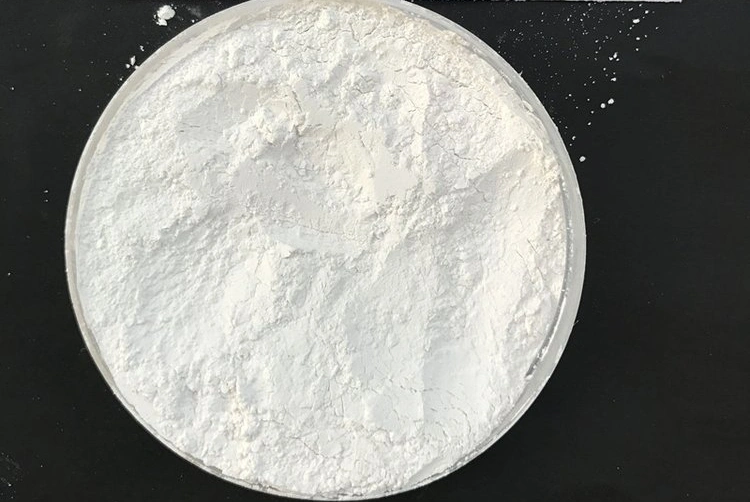
1. Grade Classification and Core Quality Control Indicators of High-Purity Calcium Carbonate
High-purity calcium carbonate is not a single-standard product. Instead, it is divided into multiple tiers based on purity levels and application scenarios. Different grades correspond to distinct indicator requirements and technical thresholds.
1.1 Four Tiers of Product Classification
According to the main content and impurity control levels, it can be roughly classified into four tiers:
- Industrial High-Purity Calcium Carbonate: The main content is usually between 98.5% and 99.5%. The content of coloring elements (such as iron and manganese) and hydrochloric acid insolubles is significantly lower than that of general industrial grade. It is mainly used in high-end coatings, high-grade papermaking, and modified engineering plastics. Currently, domestic production capacity for this specific category is relatively sufficient.
- Food-Grade High-Purity Calcium Carbonate: The main content is mostly above 99.0%. It centrally controls heavy metals like lead, arsenic, mercury, and cadmium. It also tightly restricts harmful impurities such as fluorides and barium salts. It must comply with national food safety standards. It is primarily used for food nutritional fortification and food contact materials.
- Pharmaceutical-Grade Calcium Carbonate: This requires a higher main content and stricter impurity limits. Meanwhile, it also regulates biological indicators such as microorganisms and bacterial endotoxins. Divided into oral grade and higher tiers, it can be directly used as active pharmaceutical ingredients (APIs) and pharmaceutical excipients.
- Electronic-Grade Ultra-High-Purity Calcium Carbonate: The main content can reach over 99.9%. The control of soluble metal ions (such as potassium, sodium, iron, copper, and nickel) and magnetic substances reaches the ppm or even ppb level. This is the category with the highest technical barriers and highest value added. It primarily serves high-end fields like electronic information and new energy.
1.2 Three Dimensions of Quality Control
Beyond the main content, the core quality control indicators of high-purity calcium carbonate include three dimensions:
- Limits on Impurity Elements: In particular, coloring elements like iron and manganese directly affect whiteness and appearance. Heavy metal elements relate directly to safety compliance. Soluble metal ions affect electronic and electrochemical performance. Consequently, these elements are the core targets of purification and control.
- Control of Magnetic Substances and Black Spots: High-end electronic, optical, and battery fields have zero tolerance for micron-sized magnetic particles and black spots. This requires the entire production process to prevent the introduction of iron contamination. It places extremely high demands on production equipment and cleanroom environments.
- Uniformity of Particle Size and Morphology: High-purity products usually require both a narrow particle size distribution and regular crystal morphology. This ensures performance consistency in downstream applications. It also necessitates the synergistic coordination of purification and crystal form regulation technologies.
2. Physical Purification: The Foundational Pathway for Mineral-Sourced High-Purity Calcium Carbonate
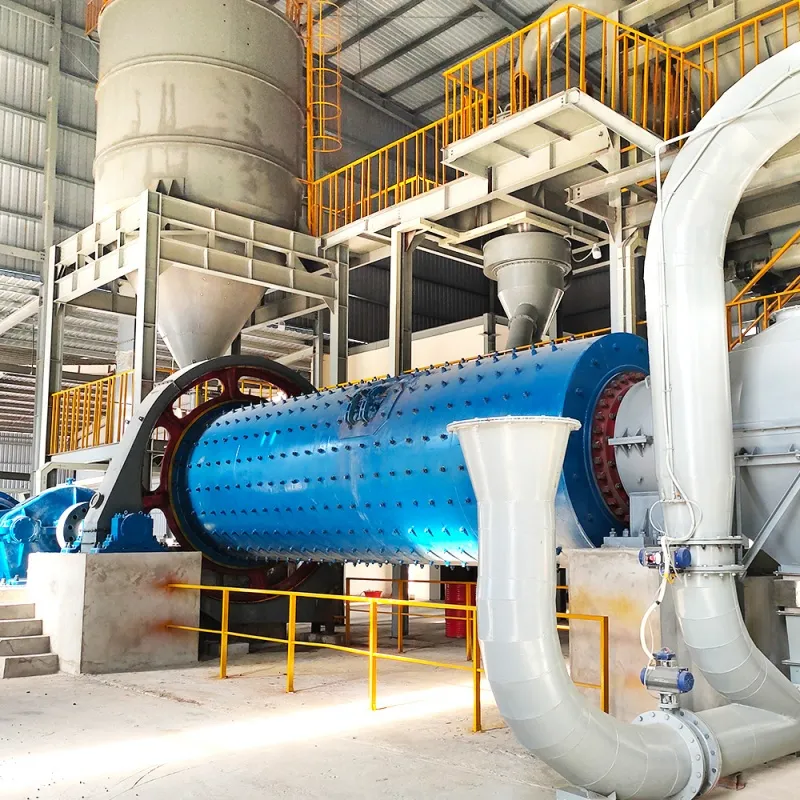
Physical purification uses high-grade natural calcium carbonate ore as raw material. It removes impurities through physical sorting, classification, magnetic separation, and other mechanical means. The process flow is relatively simple and the cost is controllable. Therefore, it is the mainstream technical route for preparing mid-to-high-end industrial-grade high-purity heavy calcium carbonate (GCC).
2.1 Ore Pre-Selection: Initial Source Purification
Ore pre-selection is the first gate of physical purification and the lowest-cost method of impurity removal. After the crude ore is crushed, technologies like manual picking, photoelectric color sorting, and X-ray sorting reject surrounding rocks, inclusion stones, and low-grade ore blocks in advance. This enhances the purity of the raw materials entering the mill right from the source. Modern photoelectric sorting equipment can accurately separate ore based on color and composition differences. By rejecting impurity particles containing iron or clay, it heavily reduces subsequent purification pressure. This makes it highly suitable for large-scale industrial production.
2.2 Magnetic Separation: Removing Iron Contamination
Magnetic separation and iron removal represent the core process of physical purification. Natural calcium carbonate ores are often associated with iron-bearing minerals like magnetite and limonite. Furthermore, iron impurities can be introduced due to equipment wear during processing. This iron not only affects powder whiteness but also restricts its application in electronics and high-end coatings. Through multi-stage magnetic separation using high-intensity and high-gradient magnetic separators, magnetic iron impurities in the powder can be effectively removed. When paired with non-metallic grinding media and ceramic liners, secondary iron contamination during processing is minimized at the source. For products with higher requirements, acid washing is combined to further reduce free iron content.
2.3 Particle Classification: Separation by Size and Density
Classification and ultra-fine purification utilize particle size differences to achieve impurity separation. The hardness of certain impurity minerals differs from that of calcium carbonate. This difference leads to varied particle size distributions after grinding. High-precision air classification and hydraulic classification can separate fine-grade and coarse-grade impurities from the product. Thus, they complete purification alongside classification. Wet grinding combined with classification processes can produce ultra-fine, high-purity heavy calcium carbonate with high whiteness and low impurities. This effectively meets the demands of mid-to-high-end fields such as papermaking and coatings.
2.4 Technical Limits of Physical Methods
Overall, physical purification is suitable for processing high-grade natural ores. The final product retains the natural crystal structure of calcite, and the production cost is low. This makes it ideal for large-scale mass production. However, this method struggles to remove impurity elements trapped within the crystal lattice. This means its purity ceiling is inherently limited, making it unable to satisfy ultra-high-purity scenarios like electronic and pharmaceutical grades.
3. Chemical Purification: The Core Preparation Technology for Ultra-High-Purity Calcium Carbonate
Chemical purification achieves the separation and reconstruction of calcium elements through chemical reactions. This approach fundamentally removes various internal impurities. It is the core technical pathway for preparing pharmaceutical-grade and electronic-grade ultra-high-purity calcium carbonate. It is also the focal direction of industry R&D.
3.1 Carbonation Cyclic Purification: The Industrial Workhorse
Carbonation cyclic purification is the most mature industrialized high-purity preparation technology. Its core logic relies on the chemical cycle of “calcination – digestion – carbonation.” Limestone is calcined to produce calcium oxide, which is mixed with water to digest into calcium hydroxide slurry. After slag removal and purification to eliminate insoluble impurities and heavy metal hydroxide precipitates, high-purity carbon dioxide gas is introduced. This triggers a carbonation reaction, re-precipitating calcium carbonate.
Finally, the finished product is obtained through dewatering, drying, and pulverizing. Through multi-stage purification and precise control of carbonation parameters, the vast majority of impurity elements can be removed. This yields highly pure precipitated calcium carbonate (PCC). This method features mature technology and large-scale capacity, allowing simultaneous regulation of crystal form and particle size. It is the mainstream process for food-grade and pharmaceutical-grade calcium carbonate. Building upon this, further deep purification can yield industrial high-purity light calcium carbonate for mid-to-high-end functional materials.
3.2 Metathesis Method: Precision High-Purity Synthesis
The metathesis method (double decomposition) is another critical technical route for preparing ultra-high-purity calcium carbonate. Its principle involves reacting high-purity soluble calcium salts (such as calcium chloride or calcium nitrate) with high-purity carbonates (such as sodium carbonate or ammonium carbonate) in a liquid phase to generate calcium carbonate precipitates. Since the raw materials can be deeply purified beforehand and the reaction process is highly controllable, it can prepare ultra-high-purity calcium carbonate with exceptionally high main content.
In fact, some products can reach a purity of 99.99%. The products prepared by this method possess high purity, uniform particle size, and controllable crystal forms. This makes them ideal for high-end fields like electronic ceramics, optical materials, and biomedicine. However, its drawbacks include high raw material costs and a long process flow. Its economic feasibility for large-scale mass production is weaker than that of the carbonation method. As a result, it is mostly used for high-value-added specialty calcium carbonate production.
3.3 Frontier Technologies: Next-Generation Innovations
Frontier preparation technologies include biomimetic mineralization, sol-gel methods, and microemulsion methods. These methods achieve the controlled growth of calcium carbonate under mild conditions. They prepare nano-scale calcium carbonate microspheres with regular morphology, uniform size, and ultra-high purity. These products primarily target cutting-edge fields like drug carriers and biomedical materials. Although most remain in the laboratory and pilot stages, they represent the future technical development direction for ultra-high-purity functional calcium carbonate.
4. Purity Requirements and Market Value in Key High-End Application Fields
The value of high-purity calcium carbonate is reflected in its irreplaceability in downstream high-end fields. Different application scenarios have distinct demands for purity. These demands correspond to completely different tiers of product added value.
4.1 Electronic Information: Advanced Components and Batteries
In the electronic information field, ultra-high-purity calcium carbonate is a vital raw material for electronic ceramics, piezoelectric ceramics, phosphors, and battery separators. Electronic ceramics place extreme demands on the purity of the calcium source. Trace impurities like potassium, sodium, and iron can severely impair the dielectric and sintering properties of ceramics. This necessitates the use of electronic-grade ultra-high-purity calcium carbonate.
Similarly, calcium carbonate used in lithium battery separators requires extremely low metal ion content. This prevents impurities from compromising the battery’s electrochemical stability and cycle life. Calcium carbonate products in this field have the highest technical barriers. Some high-end products have long relied on imports, leaving massive room for domestic substitution.
4.2 Biomedicine: Healthcare and Advanced Medical Materials
In biomedicine, high-purity calcium carbonate acts as an important pharmaceutical raw material and biomaterial. Oral calcium supplementation APIs and antacids must comply with strict pharmacopoeia standards, which heavily regulate heavy metals and microorganisms. High-end pharmaceutical excipient-grade calcium carbonate must meet even higher requirements for formulation production to guarantee drug stability and safety.
More advanced biomedical-grade porous calcium carbonate can serve as drug carriers and bone repair materials. Beyond standard purity requirements, it must also satisfy medical indicators like biocompatibility and degradability. Therefore, it is classified as a high-value-added specialty material.
4.3 Daily Chemicals and Food: Premium Consumer Goods
High-purity calcium carbonate supports the quality upgrade of premium consumer products. High-purity calcium carbonate for high-end toothpaste features high whiteness, uniform particle size, and low iron content. This avoids enamel abrasion and product discoloration.
Spherical high-purity calcium carbonate for high-end skincare products requires high purity, zero harmful impurities, and rounded particles. These traits ensure safety and a smooth skin feel during use. High-end food additive-grade calcium carbonate needs to pass stricter food safety certifications. It primarily serves high-end food categories like infant formula and special dietary foods.
4.4 Functional Materials: High-Performance Industrial Additives
In high-end functional materials, acts as a key additive to elevate product quality. Products like high-end automotive coatings, optical films, and high-end sealants have rigorous requirements for the fillers. They demand excellent whiteness, low impurities, and high dispersibility, which general industrial-grade calcium carbonate cannot satisfy. High-purity, low-impurity, surface-modified specialized calcium carbonate can significantly enhance film gloss, weatherability, and mechanical properties. This makes it an essential foundational material for high-end manufacturing.
5. Industry Challenges and Future Trends
Although China’s calcium carbonate industry scale ranks first globally, clear technical shortcomings remain in the high-purity sector. Production capacity for mid-to-low-end industrial products is abundant, leading to fierce competition. In contrast, a gap still exists between domestic preparation technologies and advanced foreign levels for electronic-grade and pharmaceutical-grade ultra-high-purity products.
Consequently, some high-end products still rely heavily on imports, and the capacity for independent control over the supply chain needs improvement. At the same time, high-purity product manufacturing places exceptionally high demands on clean environments, online testing, and process control. Small and medium-sized enterprises struggle to break through these technical and financial barriers. This results in an industry landscape characterized by high-end capacity concentration and leading-enterprise guidance.
5.1 Three Major Technical Trends
From the perspective of technical development trends, the preparation of high-purity calcium carbonate will evolve along three directions:
- Process Integration: This involves combining physical purification with chemical purification. It forms an integrated process of “ore pre-purification + chemical refining + surface modification.” This approach balances cost and purity to enhance the comprehensive cost-performance ratio of products.
- Process Precision: This trend introduces online composition testing, real-time monitoring of ion concentration, and intelligent process control technologies. These methods achieve precise management of impurity content, thereby improving product batch stability and consistency.
- Production Greenification: This direction focuses on developing low-energy, low-emission purification processes. It reduces chemical reagent consumption and wastewater discharge, promoting the green, low-carbon production of high-purity products.
5.2 Market Opportunities and Driving Forces
From the perspective of market development trends, the rapid growth of downstream high-end manufacturing industries will continue to drive market demand. Expansion in sectors like new energy, electronic information, biomedicine, and high-end daily chemicals offers vast market space for high-purity calcium carbonate. Meanwhile, the deepening push for domestic substitution will bring excellent development opportunities for domestic enterprises possessing technical capabilities. In the future, enterprises armed with high-purity preparation technologies, stable product quality, and compliant certifications will hold the advantage. They will lead the calcium carbonate industry to upgrade toward high value added.
6. Conclusion
From natural ore to ultra-high-purity powder, and from general fillers to high-end functional materials, the development journey of high-purity calcium carbonate concentrates the technical upgrading of the calcium carbonate industry. Every increase in purity signifies a breakthrough in technical barriers and an expansion of application boundaries; every strict control over impurities supports the quality upgrade of downstream high-end manufacturing.
As a high-value circuit in the calcium carbonate industry, high-purity calcium carbonate is both a touchstone for the industry’s technical strength and a vital direction for industrial transformation and upgrading. With continuous breakthroughs in domestic preparation technologies and the steady release of downstream high-end demand, China’s high-purity calcium carbonate industry will gradually transition from a follower to a leader. This will provide independent and controllable foundational material support for high-end manufacturing, while injecting core momentum into the high-quality development of traditional resource-based industries.

“Thanks for reading. I hope my article helps. Please leave a comment down below. You may also contact Zelda online customer representative for any further inquiries.”
— Posted by Emily Chen