Ultrafine Air Classifier

Calcium Carbonate Pin Mill Coating Machine

How Does Calcium Carbonate Surface Modification Achieve Success Through Process Innovation, Modifier Selection, and Industrial Practice?

Calcium carbonate is the most widely used and largest-volume inorganic mineral filler. However, its naturally hydrophilic and oleophobic surface characteristics lead to poor compatibility with organic polymer materials such as plastics, rubber, and resins. When added directly, it tends to agglomerate, which seriously affects the processing performance and mechanical properties of downstream products. Surface modification […]

How Does Calcium Carbonate Surface Modification Achieve Success Through Process Innovation, Modifier Selection, and Industrial Practice? Read More »

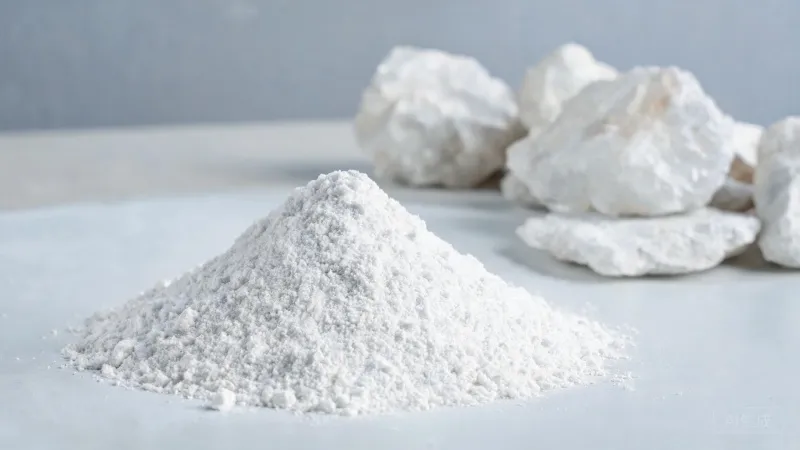
calcium carbonate

Why Does Calcium Carbonate Purity Matter?

Calcium carbonate (CaCO₃) is an important inorganic material widely used in plastics, rubber, coatings, paper, inks, construction materials, as well as in pharmaceutical and food industries. It serves not only as a filler, reinforcing agent, whitening agent, and processing enhancer, but also significantly reduces production costs and improves the overall performance of materials. With the

Why Does Calcium Carbonate Purity Matter? Read More »

Ground Calcium Carbonate Ball Mill +Classifier System

How to Produce D97 10 Micron Calcium Carbonate Powder Using a Ball Mill Classification System ?

Calcium carbonate is one of the most widely used inorganic mineral powders in the world. It is extensively applied in industries such as plastics, rubber, coatings, paper, adhesives, sealants, and building materials. In many of these applications, particle size plays a critical role in determining the final product performance. Ultrafine calcium carbonate with controlled particle

How to Produce D97 10 Micron Calcium Carbonate Powder Using a Ball Mill Classification System ? Read More »

Aragonite Ultrafine Grinding

Why is the ITC Classifier and Ball Mill System Essential for Premium Aragonite Ultrafine Grinding?

If you’re tackling the challenge of aragonite ultrafine grinding, you already know it’s not just about pulverizing calcium carbonate. Preserving that distinctive needle-like crystal structure while achieving a tight particle size distribution demands more than standard milling. In industrial mineral processing, the right combination of machinery and technique can make or break product performance—especially in

Why is the ITC Classifier and Ball Mill System Essential for Premium Aragonite Ultrafine Grinding? Read More »

Ground calcium carbonate ball mill classifier production line

Why use a ball mill and classifier system for the ultrafine grinding of Ground Calcium Carbonate?

You already know that achieving high-quality ground calcium carbonate ultrafine grinding is a constant battle between particle fineness and energy consumption. But how do you consistently hit precise D97 targets without destroying your profit margins? In this guide, I’m going to break down the exact processing line—specifically the Ball Mill and Air Classifier system—that is

Why use a ball mill and classifier system for the ultrafine grinding of Ground Calcium Carbonate? Read More »

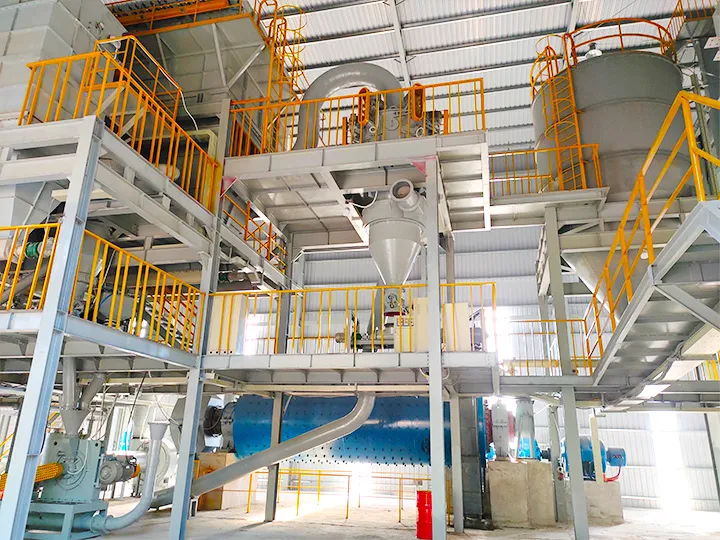
GCC (Ground Calcium Carbonate) Production Line

How does calcium carbonate mesh size affect the comprehensive performance of polypropylene (PP) filler masterbatches?

Calcium carbonate, as an inorganic mineral with abundant natural reserves and excellent cost performance, has become one of the most widely used inorganic fillers in the plastics industry. This is due to its low cost, high whiteness, good chemical stability, and strong mechanical compatibility with polymer materials. It can effectively reduce production costs while improving

How does calcium carbonate mesh size affect the comprehensive performance of polypropylene (PP) filler masterbatches? Read More »

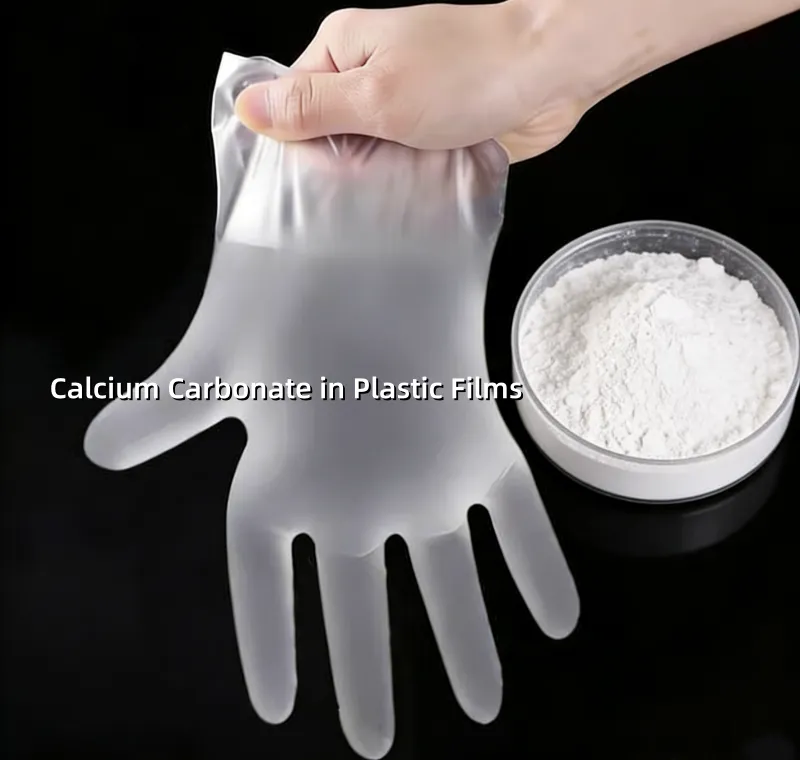
Calcium Carbonate in Plastic Films

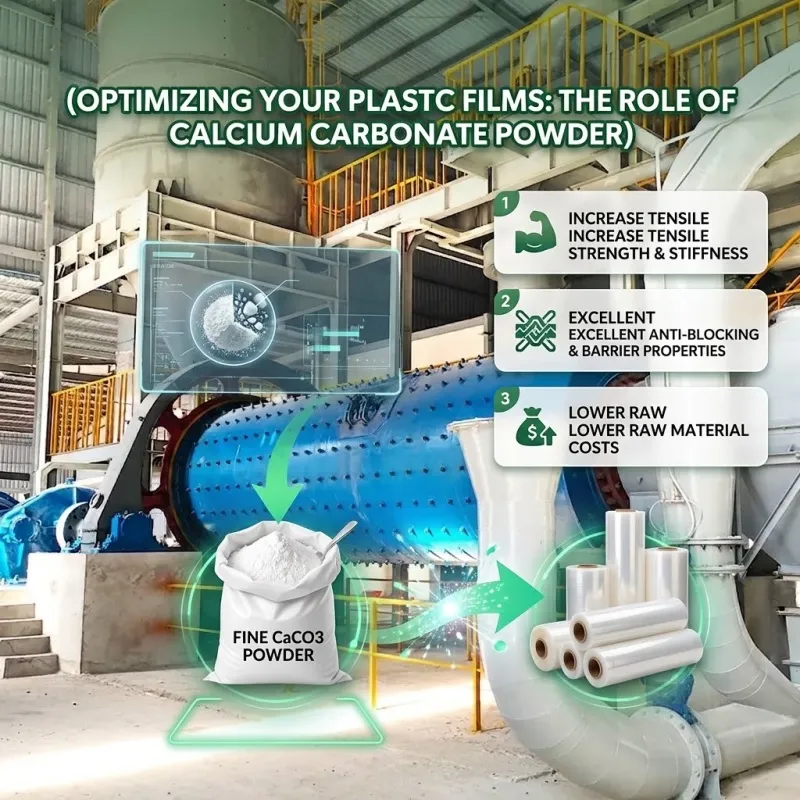
What Are the Application Characteristics and Value of Calcium Carbonate in Plastic Films?

Calcium carbonate has become one of the most widely used inorganic fillers in plastic film production. This is mainly due to its low cost, high whiteness, and balanced overall properties. When processed into filler masterbatch for film production, calcium carbonate helps simplify manufacturing processes. It also improves compounding efficiency and increases productivity. In addition, dust

What Are the Application Characteristics and Value of Calcium Carbonate in Plastic Films? Read More »

Porcelain-White Composite Calcium Carbonate

Why Do Customers Prefer Porcelain-White Composite Calcium Carbonate?

In industries such as plastics, coatings, rubber, papermaking, and artificial marble, calcium carbonate is one of the most widely used and cost-effective functional fillers. In recent years, however, a more advanced and high-performance material—porcelain-white composite calcium carbonate—has been rapidly gaining popularity among customers. So what makes it stand out among so many filler materials? This

Why Do Customers Prefer Porcelain-White Composite Calcium Carbonate? Read More »

Toothpaste Abrasive

How Does the Particle Size of Natural Calcium Carbonate Abrasives Affect the Core Performance of Fluoride Toothpaste?

Natural calcium carbonate (NCC) is a commonly used abrasive in toothpaste. Typical commercial grades include 325 mesh (D97 ≈ 45 μm) and 400 mesh (D97 ≈ 38 μm). In recent years, toothpaste formulation technology has advanced rapidly. Ultrafine grinding processes have also made significant progress. As a result, finer natural calcium carbonate abrasives are becoming

How Does the Particle Size of Natural Calcium Carbonate Abrasives Affect the Core Performance of Fluoride Toothpaste? Read More »