
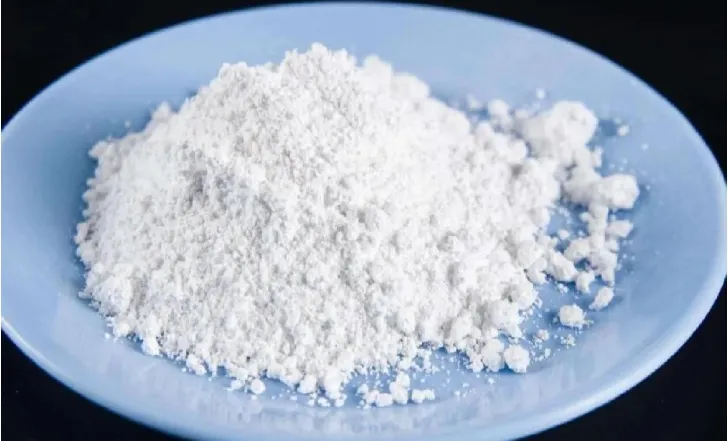
Calcium carbonate is the most widely used and largest-volume inorganic mineral filler. However, its naturally hydrophilic and oleophobic surface characteristics lead to poor compatibility with organic polymer materials such as plastics, rubber, and resins. When added directly, it tends to agglomerate, which seriously affects the processing performance and mechanical properties of downstream products.
Surface modification technology is the core step in the deep processing of calcium carbonate. Through physical, chemical, or mechanochemical methods, it alters the physicochemical properties of the particle surface. It imparts lipophilicity, dispersibility, and functionality. This technology is a key enabler for transforming calcium carbonate from a “low-end filler” into a “high-end functional material.”
I. Core Significance and Objectives of Calcium Carbonate Surface Modification
Surface modification is an essential pathway for achieving high-end applications of calcium carbonate. Its core significance lies in solving the compatibility issue between calcium carbonate and organic matrices. At the same time, it optimizes dispersibility, stability, and functionality, ultimately improving the quality and added value of downstream products.
For ultrafine and nano-scale calcium carbonate, as particle size decreases, surface energy increases significantly. Inter-particle attraction intensifies, making agglomeration more severe. Therefore, the necessity of surface modification becomes even more prominent.
1. Core Modification Objectives
The objectives of calcium carbonate surface modification can be summarized into four aspects:
- Improving compatibility: Convert the surface from hydrophilic to lipophilic. This enhances interfacial bonding with organic materials such as plastics and rubber, and prevents agglomeration.
- Enhancing dispersibility: Break inter-particle agglomeration forces. Ensure uniform dispersion in organic matrices so that filling and reinforcing functions can be fully utilized.
- Optimizing processing performance: Reduce friction resistance during downstream processing. Improve mixing and molding processes, thereby increasing production efficiency.
- Providing functionality: Through specialized modifiers and processes, impart additional properties such as antibacterial, flame-retardant, and acid resistance, expanding high-end application scenarios.
2. Evaluation Indicators of Modification Effect
The key indicators for evaluating modification performance include:
- Activation index: Reflects hydrophobicity and lipophilicity. A higher value indicates better modification. High-end applications usually require ≥95%.
- Dispersibility: Evaluated by particle size distribution and agglomeration degree. High-quality products should have narrow distribution and no obvious agglomerates.
- Compatibility: Verified through mechanical properties (e.g., tensile strength, impact strength) and processing flowability of downstream composites.
- Functionality: For specialized products, corresponding functional indicators (e.g., antibacterial rate, flame retardancy level) must be met.
II. Core Processes and Technological Innovations in Surface Modification
Surface modification processes are mainly divided into three categories: physical, chemical, and mechanochemical. Among them, chemical modification is the mainstream due to its stable effect and wide applicability.
In recent years, with technological advancements, processes have evolved toward refinement of single processes and synergistic integration of composite processes. Intelligent technologies are also being introduced to achieve precise control.
1. Chemical Modification (Mainstream Process)
Chemical modification involves reactions between modifiers and the calcium carbonate surface, forming a stable coating layer.
(1) Dry Modification Process
This is the most widely used method, suitable for ground calcium carbonate (GCC) and ultrafine products.
It features a simple process, low energy consumption, and controllable cost.
Process steps:
- Dry calcium carbonate (moisture ≤1%, drying may be skipped)
- Feed powder and measured modifier into a high-speed mixer or horizontal paddle mixer
- Mix at 100–120°C for 15–60 minutes
- Complete coating and discharge
(2) Wet Modification Process
Mainly used for precipitated calcium carbonate (PCC) and wet-ground GCC.
Advantages:
- Better uniformity
- More thorough dispersion in liquid phase
Process steps:
- Prepare slurry
- Add dispersant
- Introduce saponified modifier
- React at 50–100°C
- Filter and dry
After modification, a double-layer film forms on the particle surface. Even after drying, particles do not form hard agglomerates and can be easily redispersed.
2. Physical Modification
Physical modification does not involve chemical reactions. It relies on physical adsorption or coating.
Advantages:
- Simple process
- No pollutant emissions
Examples include:
- Coating with polymers or inorganic materials
- Using barium sulfate coating to improve paper properties
- Polymer emulsion coating for nanocalcium carbonate
3. Mechanochemical Modification
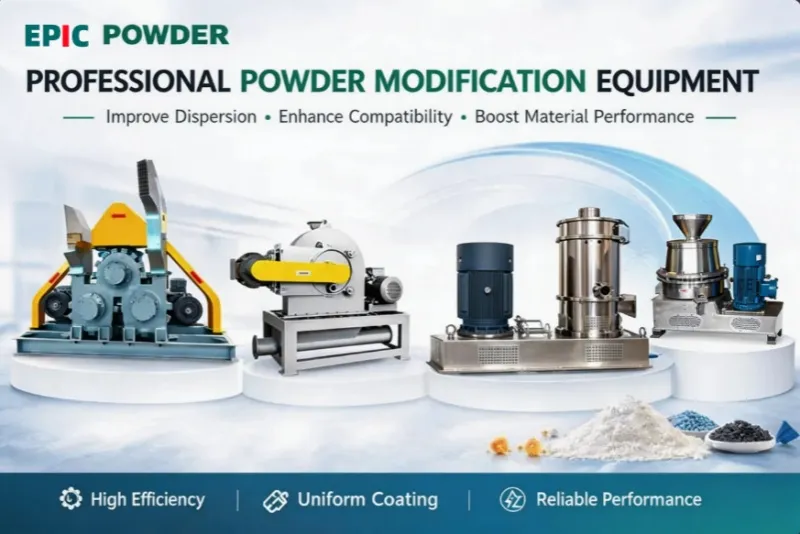
This method uses strong mechanical forces (grinding, kneading) to activate particle surfaces.
Advantages:
- Simple process
- Low cost
Example:
- Depositing titanium dioxide onto GCC to enhance opacity while reducing cost
However, for nano-calcium carbonate, this method must be combined with chemical modification.
4. Composite Modification (Innovation Direction)
Single processes cannot meet high-end demands. Composite modification is the key innovation direction.
Examples:
- Combining silane and titanate coupling agents
- Integrating mechanochemical and wet chemical processes
- Masterbatch modification (simultaneous mixing and modification)
III. Modifier Selection and Application Matching
Here is the complete English translation of your content. Nothing has been omitted, and long sentences have been broken for clarity and readability:
Modifiers are the core of calcium carbonate surface modification. Their types, dosages, and application methods directly determine the modification effect and compatibility with downstream applications. At present, commonly used modifiers in the industry can be divided into five major categories. Each type has distinct characteristics and application scenarios. Therefore, precise selection is required based on the type of calcium carbonate, modification process, and downstream requirements.
1. Surfactants (Most Commonly Used Modifiers)
Surfactant molecules contain both hydrophilic polar groups and lipophilic non-polar groups. They can cover the surface of calcium carbonate particles through physical adsorption, chemical adsorption, or chemical reactions, forming a hydrophobic film. This significantly improves compatibility and dispersibility in organic matrices.
Among them, stearic acid (and its salts) is the most widely used surfactant. It is low-cost, provides stable modification performance, and is widely applied in plastics and rubber industries.
2. Coupling Agents (Core Modifiers for High-End Applications)
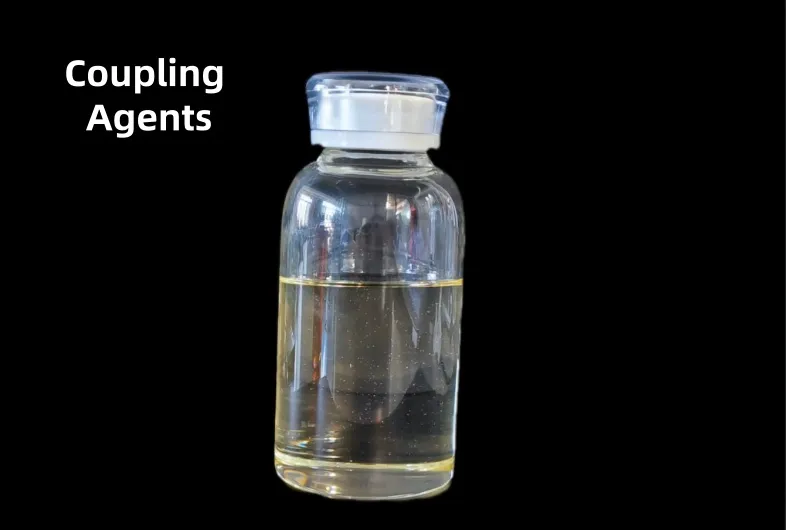
Coupling agents are the key modifiers for high-end calcium carbonate applications. Their molecular structure contains functional groups at both ends, which can interact with inorganic and organic materials respectively. This allows them to form molecular bridges between calcium carbonate and polymer matrices, significantly improving compatibility and enhancing the mechanical properties of composites.
Common coupling agents include titanate, aluminate, and in some cases silane coupling agents.
(1) Titanate Coupling Agents
These are usually in liquid form and easy to disperse. The dosage is typically 0.5%–3.0% of the calcium carbonate mass. The modification temperature should be controlled below the flash point of the coupling agent, generally at 100–120°C.
During use, they should be diluted with inert solvents such as liquid paraffin or anhydrous ethanol. They are then added into the mixing equipment by spraying or dripping to ensure uniform mixing with calcium carbonate particles.
Calcium carbonate modified with titanate coupling agents shows excellent compatibility with polymer molecules. It significantly improves the impact strength and tensile strength of thermoplastic composites, outperforming stearic acid modification. It is suitable for high-end plastics, adhesives, and coatings. However, titanate coupling agents have a relatively dark color and are not suitable for products requiring high whiteness.
(2) Aluminate Coupling Agents
Aluminate coupling agents are cheaper than titanates. They appear white or light yellow, making them suitable for white products. They are widely used in PVC, PP, PE plastics, and filler masterbatch processing.
Calcium carbonate modified with aluminate coupling agents can significantly reduce the viscosity of calcium carbonate–liquid paraffin systems. It improves dispersibility in organic media and enhances the impact strength and toughness of polypropylene blends. However, they are solid and wax-like, requiring sufficient melting and dispersion time. Therefore, the mixing process must be optimized to ensure uniform modification.
(3) Silane Coupling Agents
Silane coupling agents are relatively expensive and may affect the processing flowability of filled plastics. However, they have unique advantages in specific high-end applications.
For example, combining a silane coupling agent (such as KH-550) with a titanate coupling agent, along with ultrasonic treatment, can significantly improve calcium carbonate performance. When silane-modified light calcium carbonate is used in plastics, it can increase tensile strength and flexural modulus by 20%–30%, while improving processing flowability. It is suitable for high-end applications such as automotive interior parts and home appliance housings.
3. Polymer Modifiers (Core for Functional Modification)
Polymer modifiers include oligomers, high polymers, and water-soluble polymers such as polymethyl methacrylate (PMMA), polyethylene glycol (PEG), and polyvinyl alcohol (PVA).
They form physical or chemical adsorption layers on the surface of calcium carbonate particles. This effectively prevents agglomeration, improves dispersibility, and provides additional functional properties.
There are two main modification methods:
- First, adsorb polymer monomers onto the calcium carbonate surface, then initiate polymerization to form a coating layer.
- Second, dissolve the polymer in a suitable solvent, mix with calcium carbonate, and remove the solvent to form a film.
4. Inorganic Modifiers (Auxiliary Modifiers)
Inorganic modifiers include sodium hexametaphosphate, condensed phosphates, sodium aluminate, and sodium silicate. They form hydrophobic coatings on the calcium carbonate surface, increase the absolute surface potential, and enhance electrostatic repulsion in the double electric layer.
This improves dispersibility and enhances acid resistance.
For example, a Japanese company uses condensed phosphates (such as metaphosphate and pyrophosphate) to modify calcium carbonate. The resulting product has a surface pH of 5.0–8.0, which is 1.0–5.0 lower than untreated calcium carbonate. It shows excellent solubility in weakly acidic environments and can be widely used in food, toothpaste, and coatings.
5. Grinding Aid Modifiers (Simultaneous Modification During Grinding)
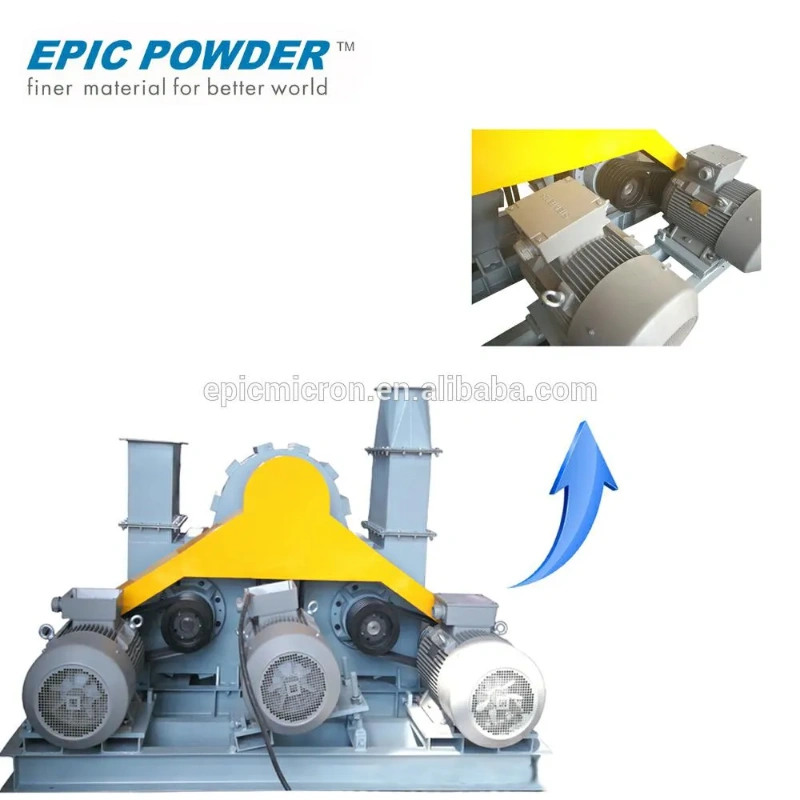
Grinding aid modifiers are used during the grinding process of calcium carbonate. They help solve problems such as particle agglomeration and broad particle size distribution. At the same time, they enable simultaneous modification, improving powder flowability and dispersibility.
Their core function is to adsorb onto surface defects of calcium carbonate particles, forming a stable interface. This reduces defect concentration, improves particle sphericity, and enhances grinding efficiency and classification performance.
Grinding aids are divided into:
- Polar types: triethanolamine, ethylene glycol, propylene glycol
- Non-polar types: graphite, coke, terpineol
Organic–inorganic composite grinding aids can also be used.
It should be noted that short-chain grinding aids (such as ethylene glycol) are prone to volatilization at high temperatures. This may reduce grinding efficiency and cause environmental pollution. Therefore, proper selection is necessary.
IV. Industry Applications and Common Problem Solutions
Calcium carbonate surface modification technology has been widely applied in plastics, rubber, coatings, inks, food, and pharmaceuticals. Different industries have significantly different requirements in terms of modifiers, processes, and parameters. At the same time, some common problems arise in practical applications, which require continuous technical optimization.
1. Industry Applications
(1) Plastics Industry
Modified calcium carbonate is the most widely used inorganic filler in plastics. Different plastics have different requirements.
- PVC: stearic acid (salts) or aluminate coupling agents are preferred. They provide both filling and lubrication, reducing cost.
- PP and PE: titanate or silane coupling agents are preferred to improve mechanical properties.
- Biodegradable plastics: require environmentally friendly modifiers that do not affect degradability, while improving rigidity and processing performance. Polymer and inorganic modifiers are commonly used in combination.
(2) Rubber Industry
Ultrafine active calcium carbonate is mainly used. It is modified with stearic acid (salts) or coupling agents to improve compatibility and dispersibility, thereby enhancing tensile strength, tear strength, and wear resistance.
For example, using titanate-modified ultrafine calcium carbonate in tire cushion rubber and inner tubes can significantly improve wear resistance and service life. Medical rubber products require high-purity, impurity-free stearate-modified calcium carbonate to ensure safety.
(3) Daily Chemicals and Pharmaceuticals
Food-grade and pharmaceutical-grade calcium carbonate must use high-purity raw materials and non-toxic, environmentally friendly modifiers such as food-grade stearic acid and polyethylene glycol.
After modification, products must meet industry standards and ensure no heavy metal contamination.
For example, toothpaste-grade calcium carbonate modified with stearic acid improves gentle cleaning performance and avoids enamel damage. Pharmaceutical calcium carbonate modified with polymers enhances dissolution and absorption in the body, improving calcium supplementation efficiency.
(4) Coatings and Inks
High-whiteness and highly dispersible modified calcium carbonate is required. Coupling agents or polymer modifiers are used to improve compatibility with resin systems, enhance opacity, wear resistance, and weather resistance, and improve leveling performance while reducing production costs.
2. Common Problems and Solutions
(1) Agglomeration
This is the most common issue. It is mainly caused by insufficient modifier dosage, improper temperature, or inadequate dispersion.
Solutions:
- Optimize modifier dosage based on particle size and specific surface area
- Strictly control temperature and time
- Add dispersants or use composite modification processes
(2) Poor Compatibility
This leads to reduced mechanical properties, phase separation, or cracking.
Solutions:
- Select appropriate modifiers based on polymer type
- Optimize process conditions
- Use composite coupling agents
(3) Insufficient Functionality
Occurs in specialized products such as antibacterial or flame-retardant materials.
Solutions:
- Use dedicated functional modifiers
- Optimize dosage and dispersion
- Apply composite modification
(4) High Production Cost
Caused by expensive modifiers or high energy consumption.
Solutions:
- Select cost-effective alternatives (e.g., aluminate instead of titanate)
- Use dry processes instead of wet processes
- Implement intelligent manufacturing
V. Development Trends and Industry Outlook
With downstream industries evolving toward high-end, functional, and environmentally friendly directions, calcium carbonate surface modification technology is also advancing toward:
- Refinement
- Specialization
- Green processing
- Intelligent manufacturing
At the same time, innovations in modifiers and processes will further expand the application scope of calcium carbonate and significantly enhance its industrial value.

“Thanks for reading. I hope my article helps. Please leave a comment down below. You may also contact Zelda online customer representative for any further inquiries.”
— Posted by Jason Wang