
The Critical Role of Calcium Carbonate in Plastics and Paper Manufacturing
Calcium carbonate is essential in the plastics and paper industries, acting as a key functional filler that enhances product quality while helping control costs. In plastics, ground calcium carbonate (GCC) improves properties like rigidity, brightness, and surface smoothness, making it a popular choice for lightweight, durable products. For paper manufacturing, calcium carbonate significantly boosts opacity, brightness, and smoothness, reducing the need for expensive coatings and optimizing paper quality.
How Calcium Carbonate Works as a Functional Filler
As a functional filler, calcium carbonate contributes to:
- Improved mechanical properties in plastics, such as increased stiffness and impact resistance.
- Enhanced printability and surface finish in paper manufacturing.
- Cost efficiency, since GCC is a cost-effective additive compared to other fillers.
- Color and whiteness, where high-quality GCC provides excellent brightness and optical properties.
Why Advanced Processing Matters
The performance of calcium carbonate depends heavily on its particle size, distribution, and purity. Advanced calcium carbonate processing ensures:
- Consistent product quality by controlling particle size and shape.
- Cost-effective production with reduced energy consumption.
- Better dispersion in polymer matrices and paper pulp.
- Ability to produce ultrafine grades that meet stringent industry standards.
Common GCC Targets for Plastic and Paper Applications
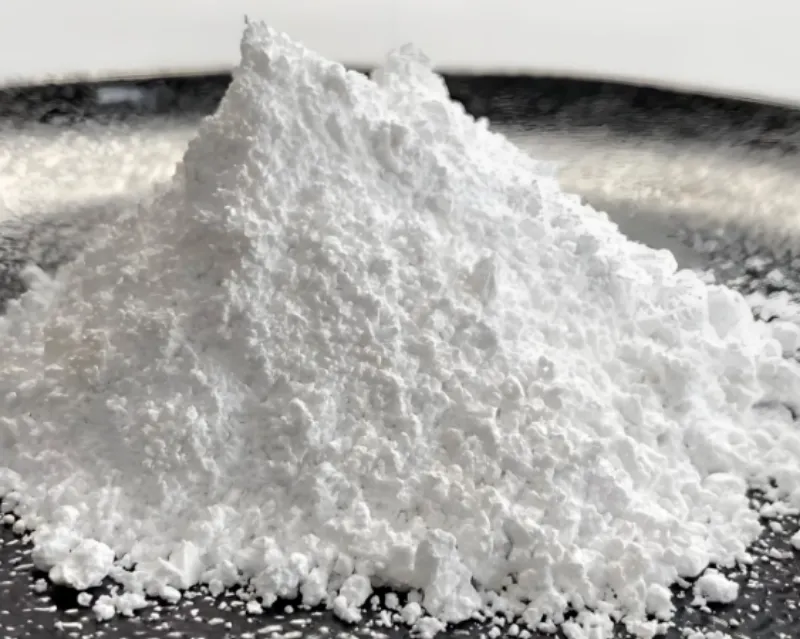
Different end-use applications require specific GCC specifications:
| Application | Particle Size Target | White Color & Brightness | Key Quality Goals |
|---|---|---|---|
| Plastics | 2-10 microns | High whiteness | Good dispersion, impact resistance |
| Paper | 1-3 microns | Bright, opaque | Opacity, smoothness, surface quality |
In , selecting the right calcium carbonate grinding technology is critical for achieving these targets efficiently. High-capacity grinding mills tailored to your production needs can significantly improve product performance and reduce operational costs in both plastics and paper manufacturing.
Key Requirements for High-Capacity Grinding in Advanced Calcium Carbonate Processing
When choosing high-capacity grinding mills for advanced calcium carbonate processing, especially for industries like plastics and paper, you need to focus on several key factors.
1. High Throughput Capacity
Industrial calcium carbonate (GCC) production calls for high throughput equipment that can handle large volume daily. You want a mill that offers reliable, continuous operation to meet production demands without frequent downtime.
2. Precise Fineness Control
Controlling the fineness and achieving a narrow particle size distribution (PSD) is critical. For fillers in plastics or coating in paper, consistent particle size improves product quality and processing efficiency.
3. Energy Efficiency & Stability
Look for energy-efficient grinding mills to reduce operating costs. Thermal stability during grinding helps avoid overheating, preserving whiteness and preventing degradation—especially important for high-whiteness calcium carbonate powders.
4. Compatibility with Dry and Wet Circuits
Depending on your process, the mill should work seamlessly in dry or wet grinding circuits. Wet mills are typically used for ultrafine grades, while dry mills are better for bulk GCC production.
5. Handling Moisture, Abrasion & Downstream Integration
In addition, consider challenges like moisture control, abrasive wear resistance, and smooth integration with downstream equipment like classifiers, coating lines, or modification systems. Proper design minimizes maintenance and maximizes uptime.
These requirements are vital to ensure your calcium carbonate processing is efficient, cost-effective, and capable of producing the high-quality powders needed for advanced applications. For a deeper look at different processing systems, you might explore ultrafine grinding solutions that match your specific needs.
Overview of High-Capacity Grinding Mill Technologies Suitable for Calcium Carbonate
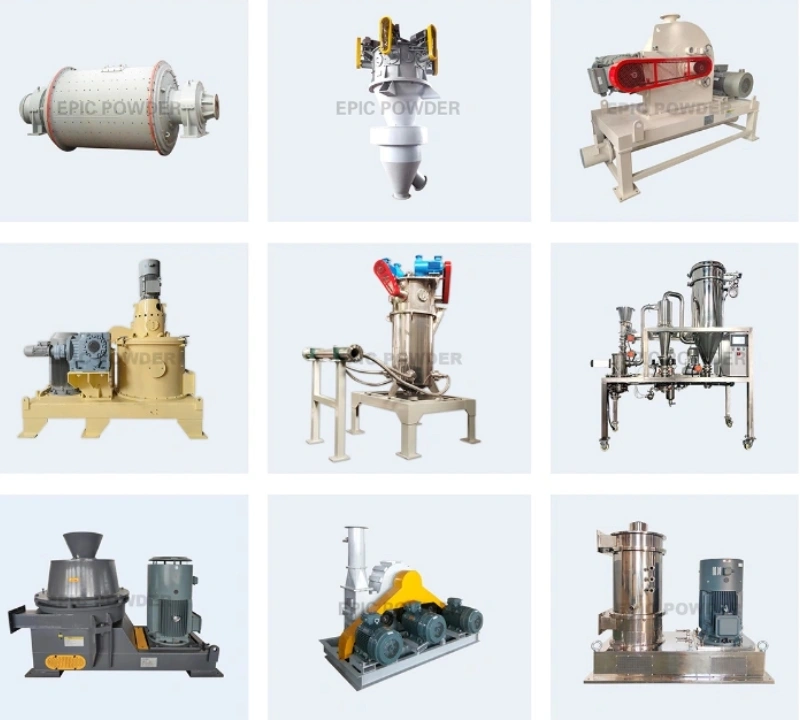
When it comes to processing advanced calcium carbonate for applications like plastics and paper, selecting the right high-capacity grinding mill is crucial. Several technology options exist, each tailored for specific needs—whether it’s high throughput, ultra-fine particle size, or energy efficiency.
Vertical roller mills (VRMs)
Vertical roller mills (VRMs) are popular for integrated grinding and classification. They combine grinding, drying, and separation in a single unit, making them ideal for large-scale calcium carbonate production. VRMs provide consistent particle size control and high energy efficiency, which are essential for creating high-whiteness calcium carbonate powder for paper fillers or plastic masterbatches.
Ball mills paired with air classifiers
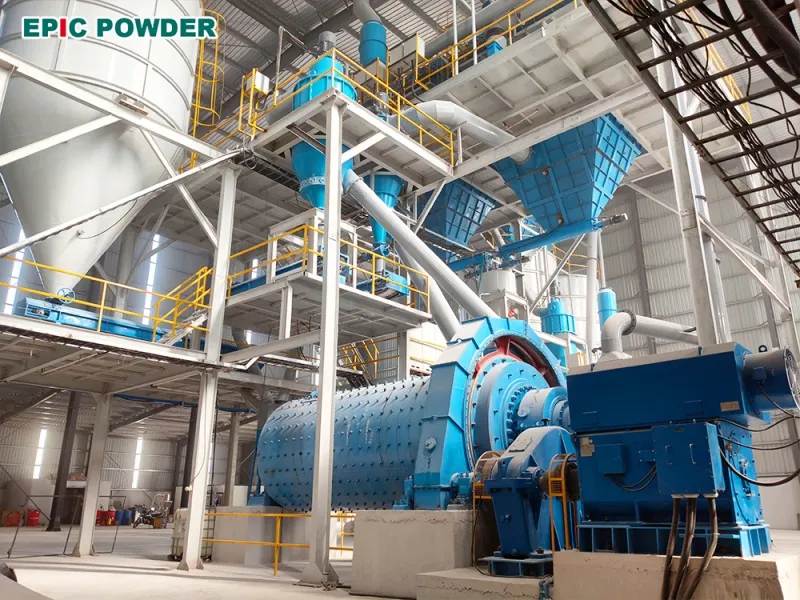
Ball mills paired with air classifiers are another common choice. They can produce a wide range of particle sizes with fine control over the PSD (particle size distribution). The air classifiers efficiently separate coarse particles, helping to achieve a narrow particle size distribution suitable for ultrafine calcium carbonate production.
Micro-powder roller mills and ring-roller systems
Micro-powder roller mills and ring-roller systems excel at grinding to ultra-fine sizes. They are often used when high brightness and consistency are critical, such as in specialty fillers for plastics or high-quality paper grades. Their refined grinding process produces calcium carbonate with smooth particle shapes and high whiteness.
Raymond-style roller mills
Raymond-style roller mills are typically used for medium-fine output. They are reliable for grinding calcium carbonate to grades used in many industrial applications, balancing capacity and fineness.
For specialty ultrafine grades, wet grinding options are available. These systems allow for the production of nano-calcium carbonate and other ultra-fine grades with controlled moisture content, which can enhance dispersibility and surface properties. This makes wet grinding suitable for high-performance plastics requiring fine, well-dispersed fillers.
Each of these mill types has its own set of advantages, from energy savings to particle shape control. The choice depends on your specific target fineness, throughput needs, and downstream process compatibility. For more details about suitable grinding technology options, I recommend exploring vertical air classifier systems, which can complement these mills by fine-tuning particle size efficiently.
Comparative Analysis: Performance of High-Capacity Grinding Mills in Plastic and Paper Applications
When choosing the right calcium carbonate grinding mill, it’s crucial to compare how different types perform for plastics and paper industries. Capacity and throughput are top priorities — some mills can process several tons per hour, making them ideal for large-scale production of advanced calcium carbonate powder. For instance, vertical roller mills for CaCO3 and micro-powder roller mills excel here, providing high throughput with efficient energy use.
Energy consumption and operating costs also vary. Ball mills paired with air classifiers tend to be less energy-efficient but are reliable for consistent output. Meanwhile, vertical roller mills offer lower specific energy consumption, which can significantly reduce operational costs over time. For both industries, managing energy efficiency is key to maintaining profitability.
Fineness range and particle shape are equally important. Advanced GCC processing technology aims for a narrow particle size distribution (PSD) and high whiteness retention, especially critical in plastics for smooth dispersion and in paper for opacity. Micro-powder roller mills, for example, produce ultrafine particles with more uniform shape, improving product quality.
Overall, aligning your mill choice with your specific product goals and production scale helps ensure you get the best performance, whether you’re processing calcium carbonate for plastics or paper. For more insights on how to select the right technology, check out this overview of industrial calcium carbonate mill comparison.
Recommended High-Capacity Solutions for Plastics and Paper Producers
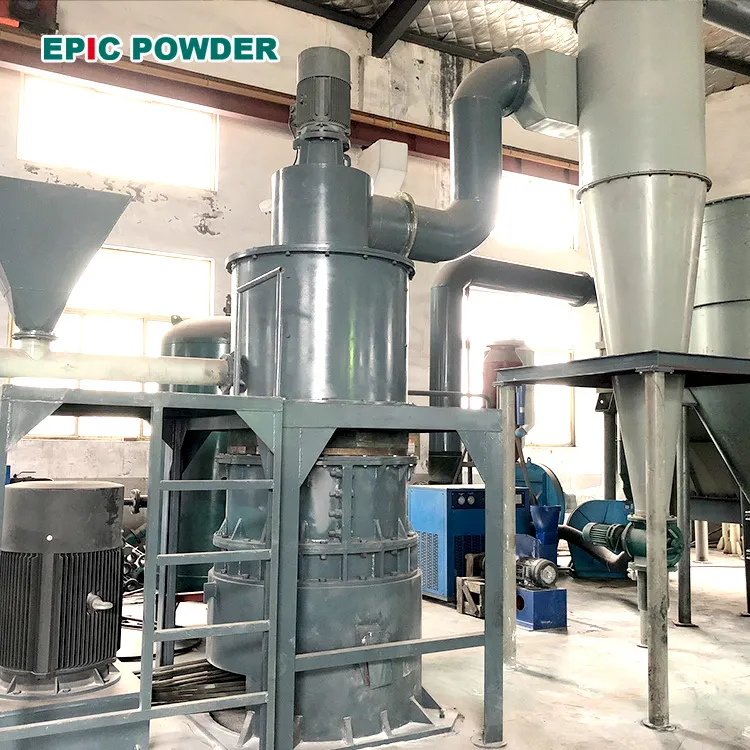
When it comes to processing advanced calcium carbonate for plastics, vertical roller mills for CaCO3 are often the top choice. These mills offer high capacity, energy-efficient grinding, and excellent control over fineness and particle size distribution. They’re especially suitable for producing high-whiteness calcium carbonate powder that improves plastic surface finishes and opacity. For large-scale production, micro-powder roller mills or ring-roller systems can provide ultra-fine calcium carbonate production, which enhances dispersibility and surface smoothness in plastics.
For paper applications, ball mills calcium carbonate processing combined with high-efficiency classifiers is common. This setup allows precise control over particle size, which is critical for paper fillers that require a narrow PSD for optimal brightness and opacity. Wet grinding options, such as specially designed wet milling systems, are also used for ultrafine grades needed in specialty papers.
Knowing when to use classifiers, coating lines, or modification systems is key:
- Classifiers are essential when you need tight control over particle size and distribution, especially in ultrafine grades.
- Coating lines improve whiteness and brightness, which are crucial for high-quality paper and plastic products.
- Modification systems help tailor specific properties like gloss, surface smoothness, or rheology for advanced applications.
Scaling your calcium carbonate production without sacrificing quality involves:
- Choosing high-throughput calcium carbonate mills to meet increased demand.
- Integrating automated control systems for consistent fineness and color.
- Ensuring downstream processes like coating, surface treatment, or modification are synchronized with grinding capacity for smooth scalability.
In short, selecting the right high-capacity grinding mill depends on your production goals, feed material properties, and end-use requirements. Properly matched systems allow you to increase output while maintaining product quality and process stability — essential for competitive plastics and paper manufacturing.
Selection Criteria: How to Choose the Right Mill for Your Operation
Picking the right high-capacity grinding mill for advanced calcium carbonate processing in plastics and paper industries depends on several key factors. Here’s a quick guide to help you make the best choice:
1. Output Needs
- Daily & annual capacity: Know your production goals. High-capacity powder grinding equipment like vertical roller mills or ball mills with classifiers are ideal for large throughput.
- Particle size distribution (PSD): Target a narrow PSD for better filler performance. Micro-powder roller mills excel at ultrafine grades, while Raymond-style mills suit medium-fine needs.
2. Product Goals
- Mesh size & whiteness: Define your target mesh (e.g., 10-45 microns) and whiteness standards. Adjustments in grinding technology and processing parameters can optimize these goals.
- Fineness & shape: For maximized dispersion and opacity, select mills capable of fine and well-shaped particles, like integrated vertical roller mills.
3. Material & Feed Properties
- Material type: Calcite, limestone, or marble require different processing sets.
- Moisture level: Wet or dry circuit compatibility is vital. For moist materials, wet grinding options like stirred mills may be more effective.
4. Infrastructure & Cost Factors
| Criteria | Questions to Consider |
|---|---|
| Space | Do you have room for large vertical roller mills or compact ball mills? |
| Energy | Can you afford high energy consumption equipment or need energy-efficient options? |
| Lifecycle costs | What are the maintenance, operation, and replacement costs? |
5. Support & Implementation
- Service support: Choose manufacturers with strong local support and easy access to spare parts.
- Commissioning & training: Ensure smooth setup, with proper training to maximize uptime and efficiency.
Table
| Factor | Ideal Mill Types | Notes |
|---|---|---|
| High throughput (tons/day) | Vertical roller mills, ball mills with classifiers | For large-scale calcium carbonate grinding |
| Ultrafine grade (below 10 microns) | Micro-powder roller mills | Better for advanced calcium carbonate, high whiteness |
| Energy efficiency | Modern vertical roller mills, micro mills | Lower energy consumption for sustainability |
| Moisture-sensitive materials | Wet grinding mills | For slurry preparation or moisture-rich feed |
In the end, matching your specific needs—like throughput, fineness, and budget—is key to picking the best high-capacity grinding solution. For a deeper dive into the latest advanced GCC processing technology, take a look at the options that suit your operation best.
Real-World Benefits and Implementation Insights
Choosing the right calcium carbonate grinding mill can deliver real advantages in your manufacturing process. For example, energy savings are significant when you optimize your setup, especially with high-capacity grinding mills like vertical roller mills or ball mills paired with advanced classifiers. These mills are energy-efficient and can reduce operating costs over time.
Better product quality matters too. Using the right equipment helps improve opacity, smoothness, and particle dispersion—all important for plastics and paper fillers. Achieving a narrow particle size distribution (PSD) and high whiteness can directly enhance your end-product’s appearance and performance.
However, avoid common setup mistakes such as improper feed moisture levels or overloads that can cause excessive wear or inconsistent particle sizes. Proper commissioning is key—calibration of classifiers, controlling feed rate, and temperature management ensure stable operation from day one. Regular maintenance and real-time process monitoring can prevent downtime and optimize throughput.
When it comes to return on investment (ROI) and payback, the right mill setup often results in lower energy costs and fewer rejects, boosting your bottom line. Here’s a quick overview:
| Benefit | Key Point |
|---|---|
| Energy savings | Optimize mill operation to reduce power consumption |
| Product quality | Improve opacity, whiteness & dispersion |
| Process stability | Minimize setup mistakes & ensure consistent output |
| Cost efficiency | Lower maintenance & operating costs |
By focusing on these insights, plastics and paper producers can get the most out of their calcium carbonate processing. For more detailed tips on setup and optimization, check out our guide on calcium carbonate grinding technology.
Future Trends in Calcium Carbonate Grinding Technology
The future of high-capacity calcium carbonate grinding mills is all about smarter, more efficient processing. Automation and smart process control are becoming standard, helping producers optimize their milling operations with minimal human intervention. Using AI-driven systems can lead to better particle size distribution and consistent quality, especially important for advanced calcium carbonate processing in plastics and paper industries. Exploring these options can significantly boost productivity while reducing operating costs.
Lower specific energy consumption remains a key goal. New technologies, like hybrid dry and wet systems, are emerging to cut energy use further and improve overall sustainability. For example, integrating wet grinding options for ultrafine calcium carbonate production can enhance particle shape and whiteness retention—crucial for high-end applications in plastics and paper.
What do these trends mean for plastics and paper producers? They point toward more adaptable, energy-efficient grinding mills that deliver better quality at lower costs. For instance, vertical roller mills for calcium carbonate are increasingly favored for their ability to handle large capacities while maintaining tight control over fineness and PSD (particle size distribution). These advances not only help meet strict quality standards but also support greener production practices, aligning with the industry’s move toward sustainability.
Embracing these trends means staying ahead in a competitive market—using automation, advanced control, and hybrid systems to scale up production without sacrificing quality or consistency. This will be vital for manufacturers aiming to meet growing demand for high-quality, ultra-fine calcium carbonate in both plastics and paper, while also reducing energy costs and environmental impact.

“Thanks for reading. I hope my article helps. Please leave a comment down below. You may also contact Zelda online customer representative for any further inquiries.”
— Posted by Jason Wang