
Ultrafine grinding is a highly specialized milling process designed to reduce particles to an extremely fine size, often below one micron. This technique enhances the surface area and reactivity of materials, making it invaluable for industries aiming to improve product performance. In the context of calcium carbonate ultrafine grinding, this process involves breaking down calcium carbonate particles into ultra-small sizes to meet the growing demands for finer, more uniform fillers in various applications.
Overview of Calcium Carbonate Fillers
Calcium carbonate fillers are widely used in the manufacturing of plastics, paints, paper, and rubber due to their affordability, availability, and excellent functional properties. However, traditional calcium carbonate fillers often face challenges with transparency and dispersion, limiting their use in clear or translucent products. The particle size and surface characteristics play a crucial role in determining how well these fillers integrate into a matrix, impacting the final product’s optical properties. Ultrafine grinding of calcium carbonate is emerging as a promising solution to address these transparency issues by producing finer, more homogenous particles that can improve clarity and performance in end-use materials.
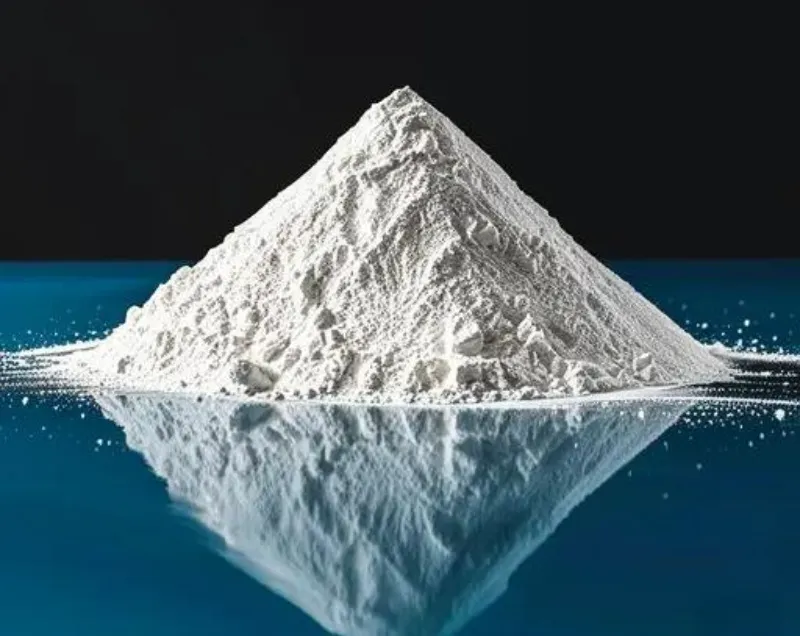
Key Questions About Ultrafine Grinding and Transparency
How Does Ultrafine Grinding Affect Transparency?
Ultrafine grinding plays a crucial role in enhancing the transparency of calcium carbonate fillers. By reducing particle size to the ultrafine range, the fillers scatter less light, allowing more light to pass through the material. This directly improves clarity and reduces the typical cloudiness caused by larger particles. Essentially, a finer grind means better integration of calcium carbonate into transparent substrates, making the final product appear clearer and more visually appealing.
What Are the Challenges in Improving Transparency with Fillers?
Despite the benefits of ultrafine grinding, improving transparency with calcium carbonate fillers comes with challenges. One major issue is achieving a consistent particle size without causing excessive agglomeration, which can negatively impact clarity. Additionally, the surface treatment and compatibility with the host material are critical; even ultrafine particles can scatter light if not dispersed well or if their refractive index differs too much. Balancing particle size, surface properties, and dispersion is vital to truly solve transparency issues in filler applications.
For a deeper dive into related techniques, you might find insights in the grinding and classification process of heavy calcium carbonate powder for breathable membranes helpful.
Benefits of Using Ultrafine Grinding on Calcium Carbonate Fillers
Enhanced Transparency
Ultrafine grinding significantly reduces the particle size of calcium carbonate fillers, which directly impacts the transparency of the final product. Smaller, more uniform particles scatter less light, allowing for better clarity and a clearer appearance in plastics, coatings, and other materials. This improvement in transparency makes ultrafine ground calcium carbonate an ideal choice for applications where visual appeal is critical.
Improved Dispersion
Beyond transparency, ultrafine grinding enhances the dispersion of calcium carbonate fillers within the host material. Finer particles mix more evenly, preventing clumping or settling that can cause weak spots or cloudiness. Better dispersion translates to smoother surfaces, improved texture, and consistent performance across batches.
| Benefits | Impact |
|---|---|
| Particle Size | Smaller, uniform particles |
| Transparency | Reduced light scattering |
| Dispersion | More even distribution |
| Surface Finish | Smoother, clearer appearance |
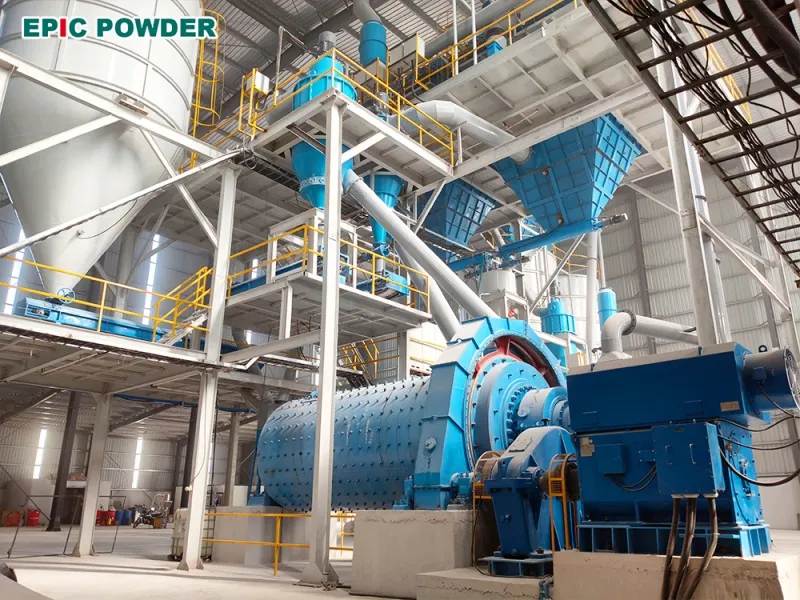
For practical applications, the choice of grinding equipment plays a big role. Machines like pin mills and horizontal air classifiers are often used to achieve these ultrafine particles efficiently, optimizing both performance and cost. Check out our detailed pages on the pin mill coating machine and horizontal air classifier for more on the technology behind this process.
Steps to Apply Ultrafine Grinding to Calcium Carbonate Fillers
Selection of Raw Materials
Choosing the right raw calcium carbonate is critical before ultrafine grinding. The purity, particle size, and mineral source all impact the final filler quality. High-purity limestone or marble sources with minimal impurities help ensure better transparency after grinding. Opting for consistent and well-characterized raw materials lays the groundwork for superior results in ultrafine grinding processes.
Grinding Process Details
Ultrafine grinding reduces calcium carbonate particles to very fine sizes, often below 1 micron. This involves specialized equipment such as jet mills or ultrafine air classifiers to achieve uniform particle size distribution and high surface area. Controlling parameters like grinding speed, temperature, and feed rate improves dispersion and prevents agglomeration. You can explore more about the detailed calcium carbonate ball milling process and ultrafine techniques here.
Post-Grinding Treatment
After ultrafine grinding, post-treatment steps like surface modification or coating may enhance filler compatibility with polymers or binders. These treatments help maintain dispersion stability and improve transparency in the final product. Additionally, drying and classification ensure consistent particle size and remove fines that may affect product performance. Proper post-grinding treatment is essential to unlocking the full benefits of calcium carbonate ultrafine grinding. Learn more about equipment like the ultrafine air classifier used in this stage.
Practical Results of Ultrafine Grinding on Fillers
Increased Product Clarity
Ultrafine grinding calcium carbonate fillers dramatically boosts product clarity. By reducing particle size to the ultrafine range, the fillers blend more seamlessly within polymers or coatings, minimizing light scattering and improving transparency. This clearer end product is especially vital in packaging, paints, and films where visual quality matters. Smaller, more uniform particles create a smoother surface, which enhances the transparent effect and overall aesthetic appeal.
Better Mechanical Properties
Besides transparency, ultrafine grinding enhances mechanical performance. The finer calcium carbonate particles distribute more evenly, reinforcing the material matrix. This leads to improved strength, stiffness, and durability in composites and plastics. Such enhancements can reduce material thickness while maintaining integrity, which is a bonus for both lightweight product design and sustainability.
Cost Efficiency Improvements
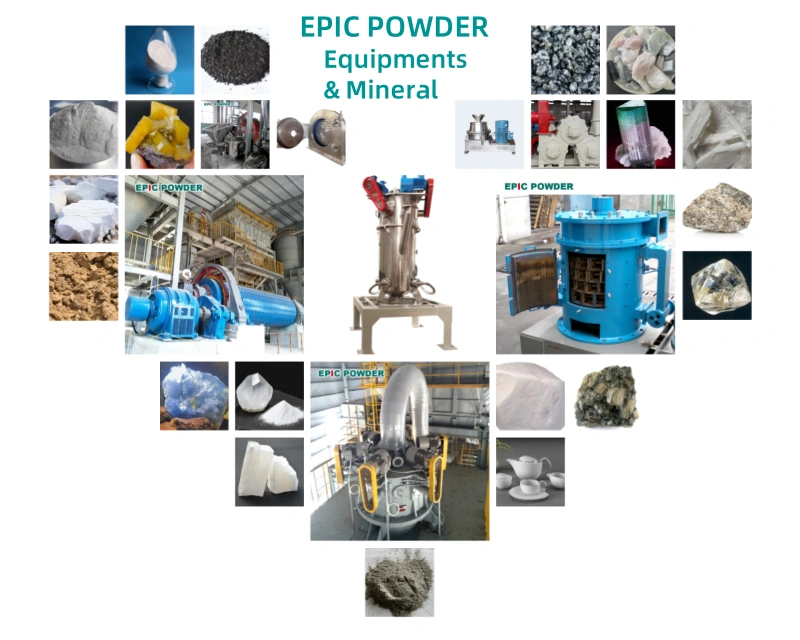
Ultrafine grinding contributes to cost savings over time. Improved dispersion and enhanced filler properties mean less material is needed to achieve desired transparency and mechanical standards. Additionally, higher product quality reduces waste and rework rates. Investing in efficient ultrafine grinding solutions, like ball mill and air classifier lines found in advanced Calcium Carbonate Ultrafine Grinding Production, can optimize output, lower operational costs, and support scalable production without compromising quality.
Together, these practical results show how ultrafine grinding of calcium carbonate fillers not only solves transparency issues but also elevates product performance and cost-effectiveness in global markets.
“Thanks for reading. I hope my article helps. Please leave a comment down below. You may also contact Zelda online customer representative for any further inquiries.”
— Posted by Emily Chen