
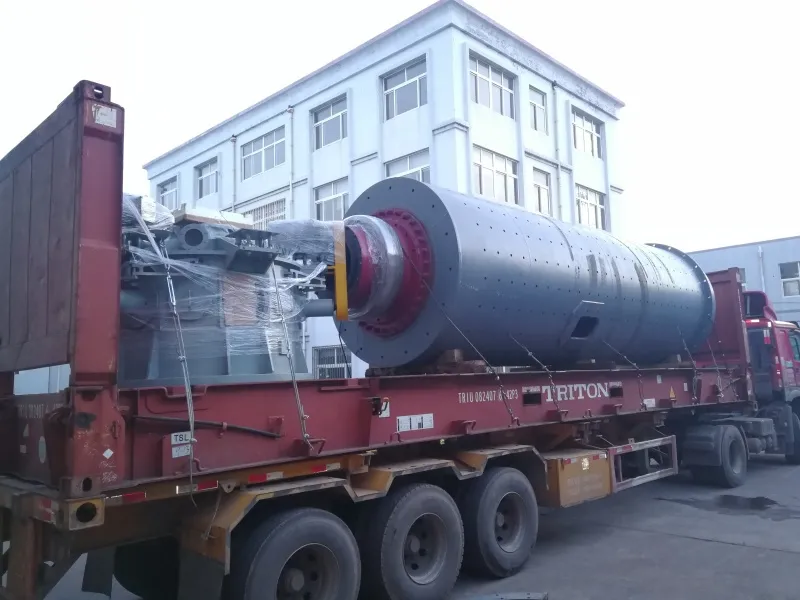
Calcium carbonate is one of the most abundant inorganic minerals in nature. It widely exists in natural minerals such as limestone, dolomite, marble, and calcite, and can also be produced through industrial solid waste recycling and chemical synthesis. As a non-toxic, odorless, white, and cost-effective inorganic powder material, Calcium Carbonate Powder Processed through advanced technologies has penetrated multiple fields including industry, agriculture, construction materials, and daily chemical products. The level of refinement in its processing technology directly determines product quality and application scenarios.
I. Core Characteristics of Calcium Carbonate and Processing Prerequisites
The chemical formula of calcium carbonate is CaCO₃, with a molecular weight of 100.09. Natural calcium carbonate is mostly a white crystalline powder, with a Mohs hardness of 2.7–3.0 and a density of 2.6–2.9 g/cm³. It is insoluble in water, dissolves in acid with the release of carbon dioxide, and decomposes into calcium oxide and carbon dioxide when calcined at high temperatures (above 800°C).
Its core advantages lie in its abundant sources, low price, non-toxicity, and environmental friendliness. Moreover, its particle size, whiteness, and surface properties can be adjusted through processing to meet differentiated requirements in various industries. High-quality Calcium Carbonate Powder Processed under strict raw material control ensures stable performance across different applications.
The core prerequisite for calcium carbonate powder processing is raw material selection. The purity and impurity content of different raw materials directly affect the final product quality:
- Natural mineral raw materials (calcite, marble) feature high purity and high whiteness, suitable for producing high-end calcium carbonate powders.
- Industrial solid waste raw materials (carbide slag, phosphogypsum, waste shells) enable resource recycling and offer low cost, suitable for producing mid- to low-end filler-grade calcium carbonate.
- Chemically synthesized raw materials allow precise control of composition and are suitable for producing high-purity and functional calcium carbonate products.
Raw material pretreatment (cleaning, crushing, impurity removal) is the foundation of processing. Sand, metallic impurities, and other contaminants must be removed to avoid affecting powder quality.
II. Mainstream Processing Technologies and Characteristics of Calcium Carbonate Powder
Calcium carbonate powder processing technologies are mainly divided into three categories: physical grinding processes, chemical synthesis processes, and solid waste recycling processes. Different processes are suitable for different raw materials and product grades, with significant differences in processing flow, core equipment, and product characteristics.
1. Physical Grinding Process (Mainstream Process for Natural Calcium Carbonate)
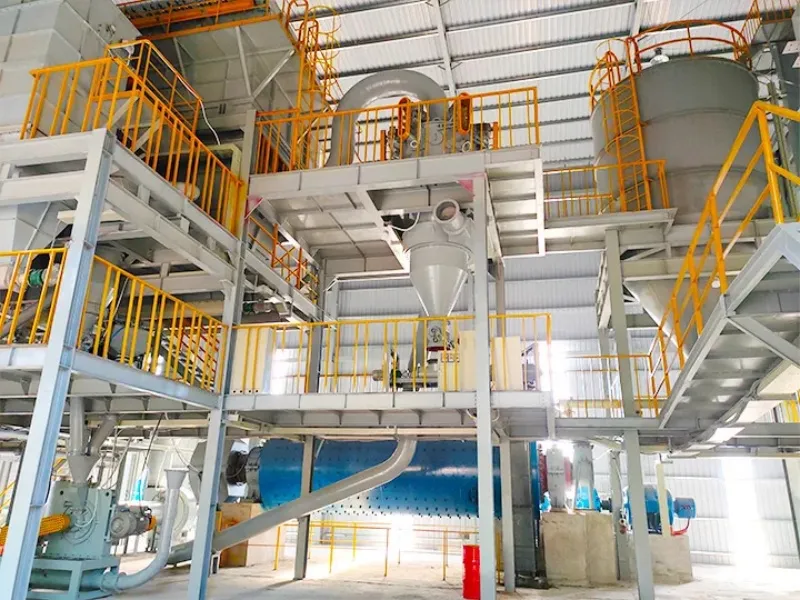
The physical grinding process uses mechanical force to crush, grind, and classify natural calcium carbonate minerals (calcite, marble, etc.) into powders of different particle sizes without altering their chemical properties. It is currently the most widely used and environmentally friendly process in industry. According to fineness, it can be divided into ordinary grinding and ultrafine grinding.
Core Process Flow:
Raw material selection → Cleaning and impurity removal → Coarse crushing (jaw crusher) → Medium crushing (impact crusher) → Fine crushing (impact crusher) → Grinding (ball mill, jet mill, vertical mill) → Classification (cyclone classifier, air classifier) → Impurity removal → Drying → Packaging → Finished product.
Key Equipment and Functions:
- Jaw crusher for coarse crushing (reducing large blocks to 50–100 mm).
- Vertical mills and jet mills for fine grinding; jet mills can produce ultrafine powders (≤1 μm).
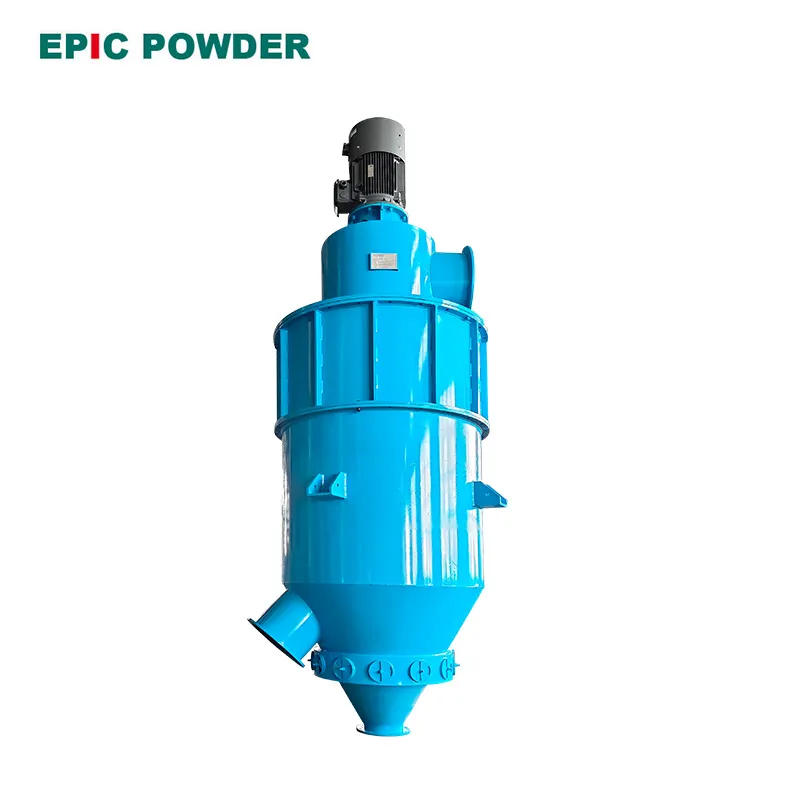
- Classification equipment to control particle size distribution and ensure uniformity.
- Drying equipment to remove moisture and prevent agglomeration.
Process Characteristics:
Environmentally friendly, low production cost, high purity, and good whiteness. It can produce ordinary ground calcium carbonate (10–100 μm), ultrafine ground calcium carbonate (1–10 μm), and nano-calcium carbonate (≤1 μm).
Disadvantages include high requirements for raw material purity, relatively high energy consumption for ultrafine grinding, and reliance on classification equipment for precise particle size distribution control. In this route, Calcium Carbonate Powder Processed maintains its natural crystal structure while achieving targeted fineness.
Applicable Products:
Ordinary GCC for plastics and rubber filling; ultrafine GCC for coatings, inks, and papermaking; nano-calcium carbonate for high-end rubber, precision plastics, and daily chemical products.
2. Chemical Synthesis Process (Light Calcium Carbonate and Functional Calcium Carbonate)
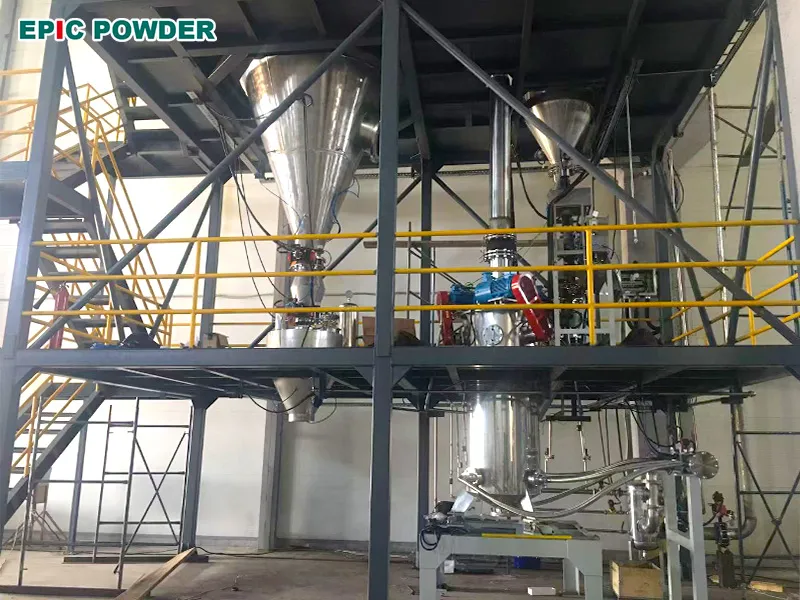
The chemical synthesis process produces calcium carbonate through chemical reactions, allowing precise control over particle size, crystal morphology, and surface properties. It is mainly used for producing precipitated calcium carbonate (PCC), nano-calcium carbonate, and functional modified calcium carbonate, featuring high purity and uniform particle size for high-end applications.
Core Process Flow (Taking PCC as an Example):
Limestone calcination (producing calcium oxide) → Digestion (calcium oxide reacts with water to form calcium hydroxide) → Carbonation (calcium hydroxide suspension reacts with CO₂ to form calcium carbonate) → Filtration → Washing → Drying → Grinding → Classification → Packaging → Finished product.
Key Control Points:
- Calcination temperature: 900–1100°C to ensure complete decomposition of limestone.
- Digestion temperature: 60–80°C to enhance reaction efficiency.
- Carbonation control of CO₂ concentration, reaction temperature, and stirring speed to regulate crystal morphology (spindle-shaped, cubic, needle-like).
Process Characteristics:
High purity (CaCO₃ ≥98%), high whiteness (≥93%), uniform particle size, and capability to produce nano-scale powders. Surface modification can be integrated during synthesis to impart hydrophobic or flame-retardant properties.
Disadvantages include higher production cost, complex process, high energy consumption, and the need for wastewater treatment.
Applicable Products:
PCC for coatings, papermaking, adhesives; nano-calcium carbonate for high-end rubber, electronic materials, biomedicine; functional synthetic calcium carbonate for flame-retardant plastics and antibacterial daily chemical products.
3. Solid Waste Recycling Process (Green and Environmentally Friendly Technology)
The solid waste recycling process uses industrial waste (carbide slag, phosphogypsum, shrimp and crab shells, clam shells, etc.) as raw materials to produce calcium carbonate powder through crushing, grinding, and purification, achieving resource utilization and aligning with carbon neutrality goals.
Core Process Flow (Carbide Slag Example):
Screening → Impurity removal (removing sulfides and metal impurities) → Drying → Grinding → Purification (acid leaching) → Neutralization → Filtration → Drying → Classification → Packaging → Finished product.
Shrimp/Crab Shell Example:
Cleaning → Deproteinization → Deacetylation → Drying → Grinding → Classification → Finished product (natural bio-calcium carbonate).
Process Characteristics:
Extremely low raw material cost; achieves waste reduction and resource recycling; relatively simple process and lower energy consumption. Product quality is slightly lower than that of natural mineral products but can be improved through purification and modification.
Applications are mainly mid- to low-end filler markets due to higher impurity levels. Even in recycling pathways, properly refined Calcium Carbonate Powder Processed can meet construction and agricultural standards.
Applicable Products:
Carbide slag-derived calcium carbonate for construction materials and plastic filling; shell-derived calcium carbonate for agricultural calcium supplements, feed additives, and low-end daily chemical products.
III. Multi-Industry Application Expansion of Calcium Carbonate Powder
In addition to agricultural calcium supplementation, calcium carbonate powder is widely used in industry, daily chemicals, and biomedicine. Different grades are precisely matched to different applications.
1. Plastics Industry (Core Filler)
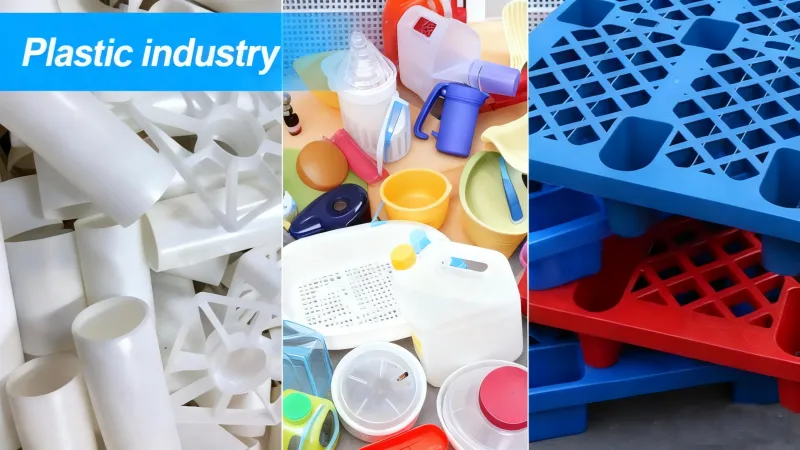
Calcium carbonate is the most widely used inorganic filler in plastics, accounting for over 60% of total plastic fillers. It reduces cost, improves processing performance, and enhances mechanical properties.
- Ordinary GCC (10–50 μm) for PE, PVC pipes, films, injection-molded parts, reducing costs by 10%–30%.
- Ultrafine calcium carbonate (1–10 μm) for PP, ABS, improving impact strength, hardness, and surface smoothness.
- Nano-calcium carbonate for precision plastics and fibers, enhancing toughness and wear resistance.
2. Rubber Industry (Reinforcing Filler)
Calcium carbonate serves both as a filler and reinforcing agent in rubber, partially replacing expensive carbon black and silica. It improves wear resistance, tear strength, and aging resistance.
- Ordinary calcium carbonate for tires, seals, conveyor belts.
- Ultrafine calcium carbonate for high-end rubber components.
- Surface-modified calcium carbonate for cables and hoses, enhancing insulation and oil resistance.
3. Coatings and Ink Industry (Extender Pigment)
Calcium carbonate acts as an extender pigment, improving hiding power, adhesion, rheology, wear resistance, and weather resistance.
- PCC for water-based and interior wall coatings.
- Ultrafine calcium carbonate for high-end coatings and inks.
- Surface-modified calcium carbonate for solvent-based coatings to enhance dispersion.
4. Daily Chemical and Biomedical Industry (Functional Material)
High-purity calcium carbonate is widely used in daily chemicals and biomedicine.
- Toothpaste (abrasive), cosmetics (filler).
- Calcium supplements (e.g., calcium carbonate with vitamin D3 tablets) for elderly, children, and pregnant women.
- Nano-calcium carbonate as a drug carrier to enhance absorption efficiency.
5. Other Applications
Papermaking: Improves whiteness, stiffness, folding resistance, and reduces cost.
Construction: Used in cement, concrete, tile adhesives to improve compressive strength and wear resistance.
Electronics: High-purity nano-calcium carbonate for electronic ceramics and circuit boards, enhancing insulation and heat resistance.
IV. Conclusion
As a multifunctional, low-cost, and environmentally friendly inorganic powder material, calcium carbonate’s processing refinement determines product quality, while quality control ensures suitability for different applications. The three major processes—physical grinding, chemical synthesis, and solid waste recycling—serve different raw materials and product grades, covering applications from ordinary filling to high-end functionality.
With downstream industry upgrades and green industrial development, the calcium carbonate industry will shift from low-end filling toward specialization, high-end development, and functionalization. Through technological innovation, it will increase product added value, promote solid waste recycling, and expand high-end application scenarios.
In the future, calcium carbonate will continue to play a core role in industry, daily chemicals, and biomedicine, becoming an essential foundational raw material supporting high-quality development across multiple industries.

“Thanks for reading. I hope my article helps. Please leave a comment down below. You may also contact Zelda online customer representative for any further inquiries.”
— Posted by Emily Chen