
Core Types of Calcium Carbonate and Their Fundamental Differences
Calcium carbonate can be categorized into four major types based on production process, particle size, and surface characteristics. Their key parameters and application positioning vary significantly and form the basis for industrial material selection.
| Type | Production Method | Key Parameters | Core Characteristics | Application Positioning |
|---|---|---|---|---|
| Ground Calcium Carbonate (GCC) | Mechanical grinding of natural minerals | Bulk density 0.8–1.3 g/cm³; whiteness 89%–93%; particle size ranges: coarse (>3 μm), fine (1–3 μm), ultrafine (0.5–1 μm) | Low cost, abundant supply, good stability | General fillers, cost-sensitive applications |
| Precipitated Calcium Carbonate (PCC) | Produced by chemical precipitation | Bulk density 0.5–0.7 g/cm³; whiteness 92%–95%; particle size: granular (>5 μm), micropowder (1–5 μm), microfine (0.1–1 μm), ultrafine (20–100 nm), superfine (<20 nm) | High whiteness, finer particles, better dispersion | High-whiteness and high-performance applications |
| Nano Calcium Carbonate | Special refined process (subset of PCC) | Particle size 1–100 nm | High functionality; enhances specific material properties (reinforcement, toughening) | High-end functional products |
| Activated Calcium Carbonate | Surface-modified GCC or PCC | Key difference is hydrophobicity; other parameters depend on base material | Excellent compatibility with organic systems; anti-agglomeration | Polymers such as rubber and plastics requiring better interfacial bonding |
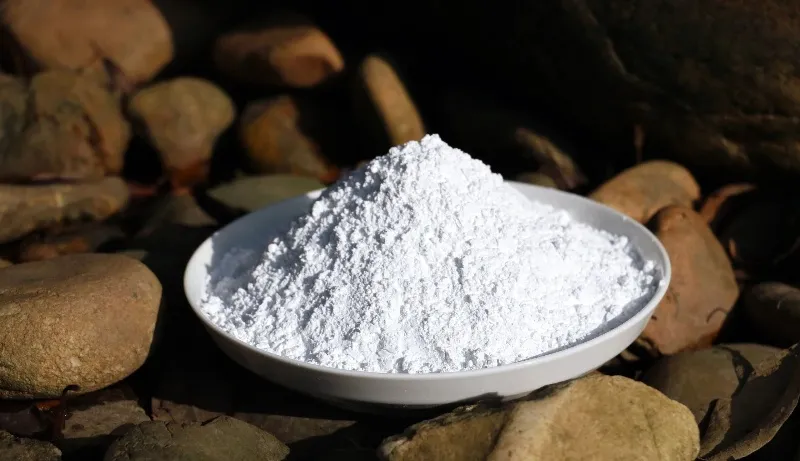
Key Requirements for Calcium Carbonate Selection Across Industries
Different industries have distinct requirements for calcium carbonate type, particle size (mesh), and surface properties due to variations in product performance and processing methods.
Plastics Industry: Category-Based Selection to Balance Cost and Performance
Plastics represent the largest application field for calcium carbonate. Selection focuses on mesh size and surface activation, adjusted according to product stiffness, whiteness, and flowability.
PVC Products:
- Wallpaper: 1250 mesh activated GCC (improves hydrophobicity & dispersion)
- Profiles/pipes/boards: 1250 mesh GCC; high-end uses 2200 mesh activated PCC (activation ≥ 80%)
- Compounds: 1250/2500 mesh GCC or 6603 nano calcium carbonate
- Synthetic leather: GCC for stiffness
- Calendering film: 2500 mesh GCC / 1250 mesh PCC for powders; 325–800 mesh for masterbatch
PP/ABS/PE Products:
- ABS: >600 mesh masterbatch; lower grades can use 400 mesh; suitable for GCC, PCC, or nano CaCO₃
- PP: mainly filled via masterbatch
- Plastic drums: PE masterbatch
- Modified plastics: 1250/2500 mesh GCC for improved rigidity
Special Plastics:
- Microfiber leather: 1800 mesh PCC + 2500 mesh GCC for fineness
- Color film: water-ground CaCO₃ for dispersion
- Automotive film: activated CaCO₃ + nano CaCO₃ for weather resistance
- Foamed products: nano CaCO₃ as nucleating agent to optimize cell structure
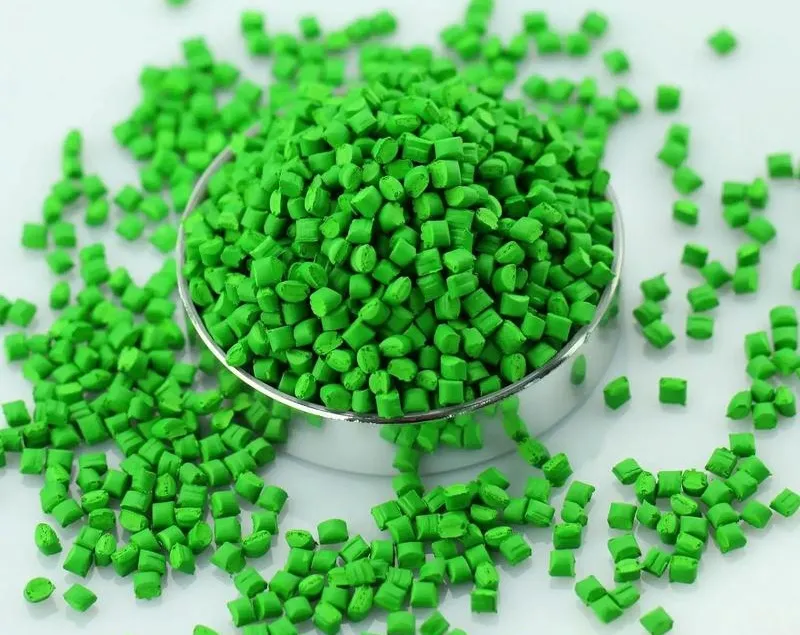
Rubber Industry: Focus on Reinforcement and Weather Resistance
General Rubber Products:
- Tires: PCC (requires in-house surface treatment); combined with 1000–1250 mesh talc and silica
- Soles/EVA shoes: 800/1250/2500 mesh GCC
- Surgical gloves: 2500 mesh PCC (high purity and fineness)
- Rubber powder: pure PCC for better processing
Special Rubber/Elastomers:
- Silicone sealants: 2800 mesh ultrafine GCC for sealing performance
- Silicone rubber: nano CaCO₃ or PCC + silica for elasticity
- Oxford soles: mainly silica, partly fine CaCO₃
Paper Industry: Prioritizing Whiteness and Retention Rate
General Paper:
- Cultural paper, packaging paper: 400–1500 mesh GCC/PCC (balance cost & whiteness)
High-End Paper:
- Coated paper: 1500 mesh PCC for smoothness & printability
- Film coating: water-ground CaCO₃ for uniform dispersion
Coatings and Adhesives Industry: Particle Fineness and Functional Properties Dominate
Coatings:
- Emulsion paint: GCC/PCC; some use wet-treated nano CaCO₃
- Water-based coatings: 1500/2500 mesh GCC, activated GCC, or water-based nano CaCO₃
- Powder coatings: 800 mesh PCC meeting environmental requirements
- Automotive underbody coatings: 6601 nano CaCO₃ (coatings grade), 6607 nano CaCO₃ for glass sealants
- White paint: >1000 mesh GCC/PCC; >2500 mesh PCC improves drying speed
Adhesives:
- Silicone sealant: 2800 mesh ultrafine GCC
- Marble glue: activated GCC for better adhesion
- Potting adhesive: 1500/2500 mesh GCC
- Epoxy resin: 600–1250 mesh GCC for low-end; 1250 mesh activated PCC for high-end
Construction & Building Materials: Coarser Grades, Cost and Practicality First
Decorative Materials:
- Putty powder: 325 mesh PCC or 800 mesh GCC
- Artificial marble: 80–90 mesh GCC as aggregate
- Insulation materials: 40–60 mesh quartz sand + GCC for heat resistance
- Construction materials: 400/1500 mesh GCC (lower whiteness requirements)
Industrial Uses:
- Glass/solar glass: 200 mesh GCC as component modifier
- Power plant desulfurization: uses calcium hydroxide, not CaCO₃
Daily Chemicals, Food & Pharmaceuticals: High Purity and Whiteness Are Mandatory
Household Chemicals:
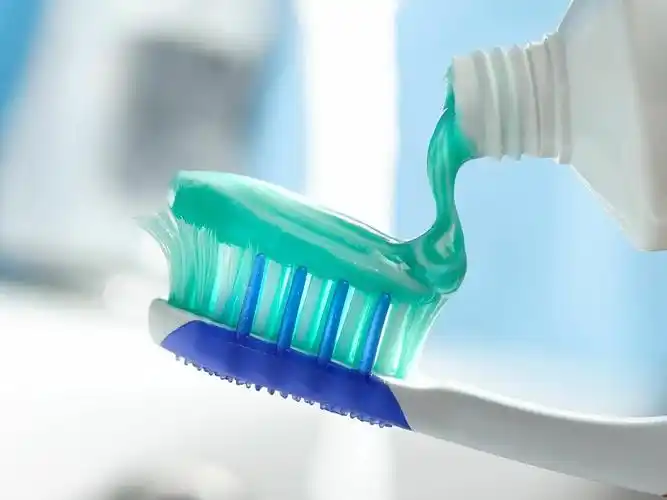
- Toothpaste: 325–600 mesh GCC (food-grade)
- Detergent: 1250 mesh PCC
- Chalk: 325 mesh PCC + talc
Food-related:
- Alkaline water filter media: 20/30 mesh CaCO₃
- Food additives: food-grade PCC (mesh depends on process)
Pharmaceutical:
- Pharmaceutical excipients: high-purity PCC meeting pharmacopeia standards
Other Industries: High Degree of Customization
Industrial Processing:
- Steelmaking: 5–10 mm CaCO₃ as flux
- Machine cleaning: 400 mesh GCC for abrasive cleaning
- Soil pH regulation: CaCO₃ increases alkalinity; quicklime decreases acidity
Functional Additives:
- Anti-blocking agent: 325/400/600 mesh GCC
- Compound fertilizer: PCC/GCC mixed as Ca supplement
- Stationery: 1500 mesh PCC / 2500 mesh GCC for smoothness
- Rubber wastewater treatment: calcium hydroxide (slaked lime) for neutralization
Selection Principles
In industrial applications of calcium carbonate, selection depends not only on cost, whiteness, and performance requirements but also on production processes, grinding methods, surface modification technologies, and equipment configuration.
Cost Priority & Large-Scale Supply → Choose GCC
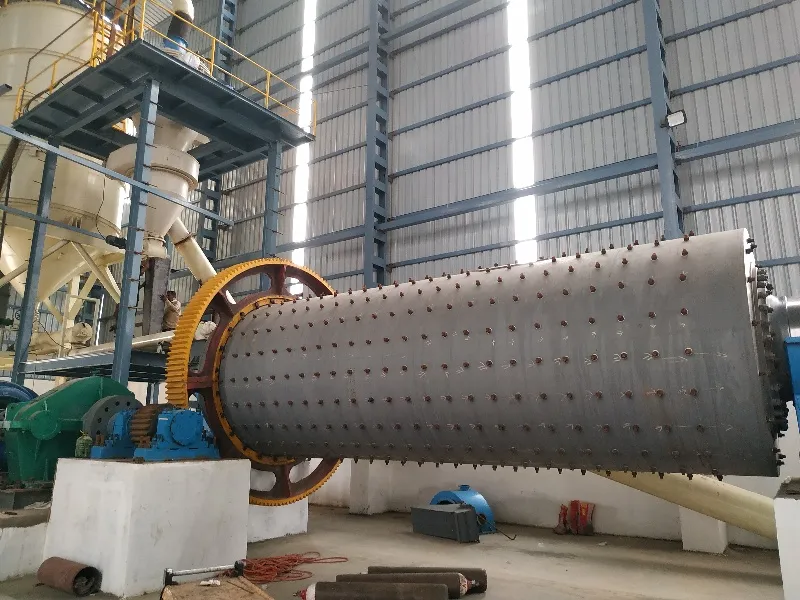
Produced via Raymond mill, ball mill, vertical mill, ring roller mill, etc.
Advantages: large capacity, low energy consumption, low cost.
Applications: PVC pipes, putty powder, construction materials, general plastics/rubber.
Common mesh sizes: 325–1250 mesh
High Whiteness, Fineness & Dispersion → Choose PCC
Produced by chemical precipitation; morphology is controllable.
Often paired with jet mills and classifiers for size control.
Applications: high-end coatings, paper, daily chemicals, cultural paper, high-whiteness plastics.
Common mesh sizes: 1000–2500 mesh
Enhanced Functionality & Performance → Choose Nano CaCO₃
Produced from PCC via jet milling, ultrafine classification, or wet nano-processing.
Benefits: high surface area, high interfacial activity, excellent reinforcement & nucleating effects.
Applications: foams, automotive films, special rubber, sealants, functional masterbatch.
Particle size: 20–100 nm (or finer)
Better Compatibility & Processing Stability → Choose Activated CaCO₃
Produced by modifying GCC/PCC surfaces using titanium coupling agents, fatty acids, etc.
Equipment: Continuous coating machine.
Benefits: improved compatibility, dispersion, reduced agglomeration.
Applications: PVC, PP, PE, rubber, modified plastics.
Conclusion
Epic Powder, 20+ years of work experience in the ultrafine powder industry. Actively promote the future development of ultra-fine powder, focusing on crushing, grinding, classifying and modification process of ultra-fine powder. Contact us for a free consultation and customized solutions! Our expert team is dedicated to providing high-quality products and services to maximize the value of your powder processing. Epic Powder—Your Trusted Powder Processing Expert !

“Thanks for reading. I hope my article helps. Please leave a comment down below. You may also contact Zelda online customer representative for any further inquiries.”
— Posted by Emily Chen