
Limestone is one of the most widely used, highly versatile, and economically significant non-metallic minerals in the world. From construction materials to advanced industrial applications, its influence spans countless industries. This extensive reach, combined with its abundant reserves and diverse functionalities, has earned limestone the title of “the King of Non-Metallic Minerals.”
But what makes limestone so important? The answer lies in its chemistry, availability, and unmatched industrial value.
Exceptional Chemical and Physical Properties
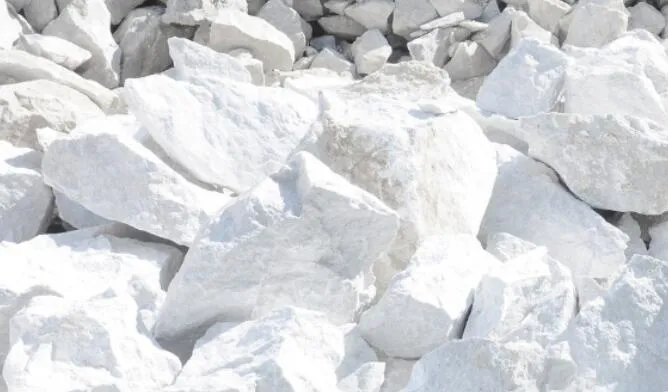
Limestone stands out because of its high purity, often exceeding 98% CaCO₃ (calcium carbonate). This purity makes it highly reactive with acids, which is why it’s ideal for applications like desulfurization in flue gas treatment and pH control in various processes. Its natural whiteness and brightness add value in industries needing a clean, bright filler or pigment base. Additionally, limestone’s relatively low hardness (Mohs scale around 3) means it’s easy to grind into ultra-fine powders. This fine grinding ability is crucial for producing various grades of ground calcium carbonate (GCC) and nano precipitated calcium carbonate used across many sectors. For those interested in how calcium carbonate enhances pigment applications, exploring the role of calcium carbonate in pigments offers great insight.
Abundant Reserves and Global Availability
Limestone (mainly composed of calcium carbonate, CaCO₃) is one of the Earth’s most common sedimentary rocks, with massive deposits found across every continent.
Its widespread distribution ensures:
- Stable supply chains for industries
- Low mining cost due to ease of extraction
- Sustainable long-term production for downstream sectors
This abundance makes limestone accessible to both developing and developed countries, supporting industrial growth worldwide.
Extraordinary Versatility Across Industries
Limestone is not limited to a single application; instead, it serves as a foundational raw material in dozens of industries.
- Limestone stands out because of its incredibly broad industrial uses, driving about 70–80% of global limestone consumption in cement and concrete manufacturing. It’s the backbone of construction, providing a key raw material for durable and strong building foundations.
- Beyond cement, limestone is essential in lime production. Quicklime and hydrated lime both come from limestone.They are vital in many industries. For example, in steelmaking, limestone acts as a flux to remove impurities.
- Its environmental applications are equally important—for example, limestone is widely used in flue gas desulfurization (FGD) systems to reduce sulfur emissions and in water treatment processes to neutralize acidity and purify water.
- Limestone’s role as a filler and extender is crucial in plastics, rubber, paint, paper, and PVC, where it enhances properties while reducing costs. Agriculture also benefits greatly, using limestone as a soil conditioner and an ingredient in animal feed to improve health and productivity.
- Additionally, industries like glass, ceramics, sugar refining, and pharmaceuticals rely on limestone for its purity and chemical properties. This extensive range of applications clearly shows why limestone is known as “the King of Non-Metallic Minerals.”
- For those interested in how limestone powder is tailored for different applications, modern grinding equipment plays a key role—learn more about the calcium carbonate grinding equipment that brings out limestone’s full potential.
Economic Importance and High Industrial Value
Limestone-related industries contribute significantly to national economies. Its processing chain—from quarrying to ultrafine grinding—generates extensive economic value:
- Low-cost raw material
- High value-added potential through fine and ultrafine processing
- Wide industrial demand, ensuring continuous market growth
As lightweight calcium carbonate, ground calcium carbonate (GCC), and modified calcium carbonate are increasingly used in high-performance materials, limestone’s economic value continues to rise.
Why No Other Non-Metallic Mineral Comes Close
| Mineral | Global Reserves | Annual Production Volume | Number of Applications | Economic Value |
|---|---|---|---|---|
| Limestone | Vast, most abundant sedimentary rock | Highest among non-metallic minerals | Extremely diverse (cement, steel, environment, agriculture, plastics, and more) | Largest market share and revenue worldwide |
| Talc | Moderate | Moderate | Mainly cosmetics, ceramics, paint | Lower market value |
| Kaolin | Moderate | Moderate | Paper, ceramics, paint, rubber | Moderate economic impact |
| Barite | Limited | Low | Oil drilling, paint, rubber | Smaller market size |
| Quartz | High | High | Glass, electronics, construction | High value but narrower industrial uses |
| Gypsum | Moderate | Moderate | Construction (plaster), agriculture | Moderate market size |
| Feldspar | Moderate | Moderate | Ceramics, glass, fillers | Moderate economic contribution |
Essential Role in Modern Manufacturing Technologies
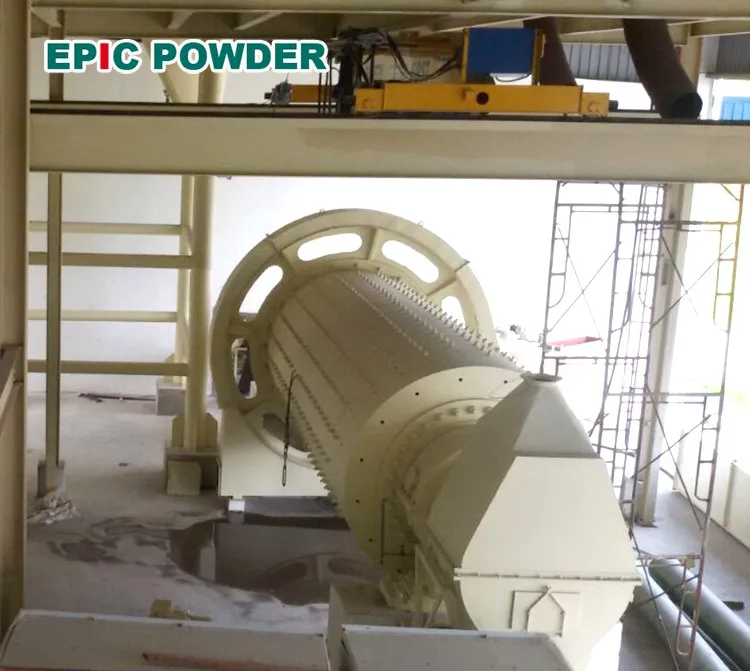
Advanced grinding and classification equipment—such as ball mills, vertical mills, air classifier mills, and jet mills—transform limestone into highly controlled particles (e.g., 1–10 μm ultrafine calcium carbonate).
This opens doors to applications in:
- PVC pipes and profiles
- High-gloss coatings
- High-whiteness paper
- Engineering plastics
- Functional fillers for new materials
With modern powder engineering, limestone becomes not just a mineral but a high-performance engineered material.
Environmental Benefits and Sustainability
Limestone plays a critical role in green technologies:
- Absorbs SO₂ in flue gas, reducing air pollution
- Improves soil quality for agriculture
- Enables low-carbon cement production trends
- Non-toxic, natural, and abundantly renewable on geological timescales
The combination of environmental value and safe usage further enhances its reputation.
Conclusion
Limestone earns the title “the King of Non-Metallic Minerals” because of its enormous reserves, low cost, industrial versatility, economic importance, and vital role in modern materials science. From traditional cement to ultrafine fillers in high-end manufacturing, limestone remains indispensable.
As industries continue evolving toward high-performance, eco-friendly materials, limestone—especially in its ultrafine processed forms—will continue to reign as the cornerstone mineral powering global development.

“Thanks for reading. I hope my article helps. Please leave a comment down below. You may also contact Zelda online customer representative for any further inquiries.”
— Posted by Emily Chen