Material

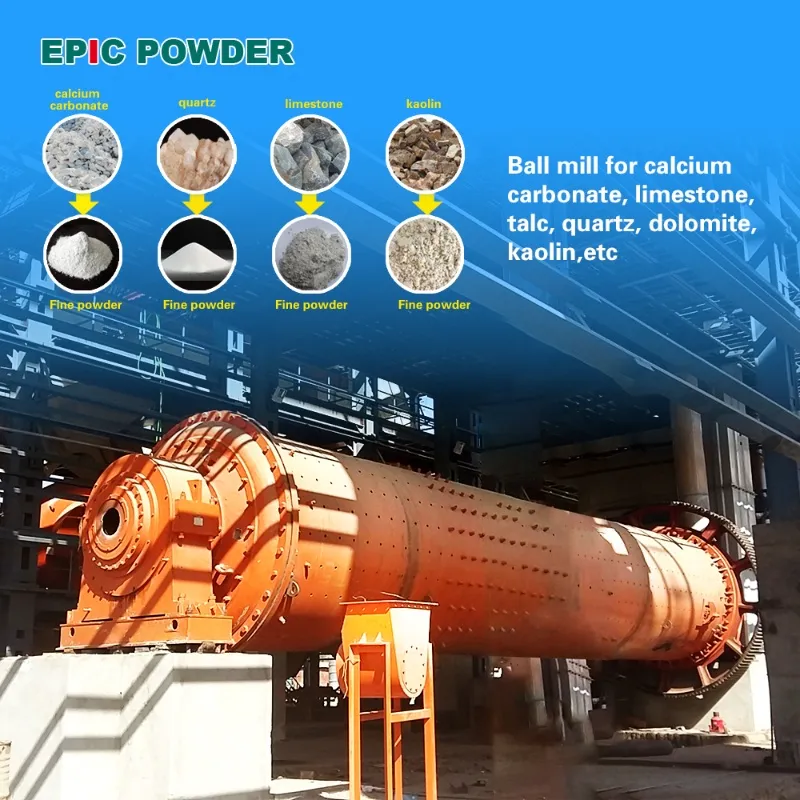
Ball mill 8

How Many Types of Calcium Carbonate Are There? Understanding Their Unique Applications and Differences

Calcium carbonate (CaCO₃) is a common inorganic compound, commonly known as limestone, marble, or chalk. It is neutral in nature, has low solubility in water, but readily dissolves in hydrochloric acid. Thanks to its abundant sources and low cost, calcium carbonate is widely used across many industries. It also offers good chemical stability, making it […]

How Many Types of Calcium Carbonate Are There? Understanding Their Unique Applications and Differences Read More »

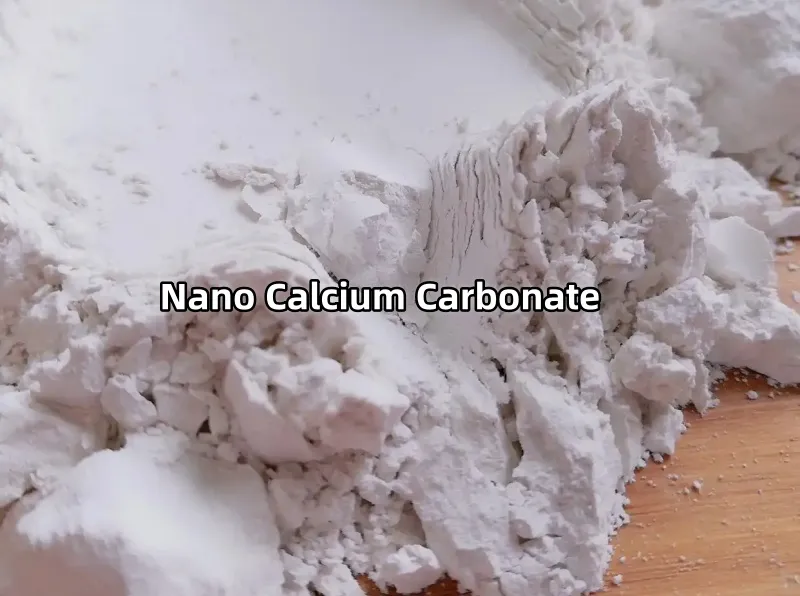
Nano Calcium Carbonate

What Are the Six Major Application Fields of Nano Calcium Carbonate and Their Technical Requirements?

Nano calcium carbonate refers to a functional inorganic filler with a particle size of 1–100 nm. It is widely used in rubber, plastics, papermaking, inks, coatings, sealants and adhesives, pharmaceuticals, toothpaste, food, and other fields. However, different applications have distinct requirements for particle size distribution, crystal form, oil absorption value, dispersion, and other properties. Application

What Are the Six Major Application Fields of Nano Calcium Carbonate and Their Technical Requirements? Read More »

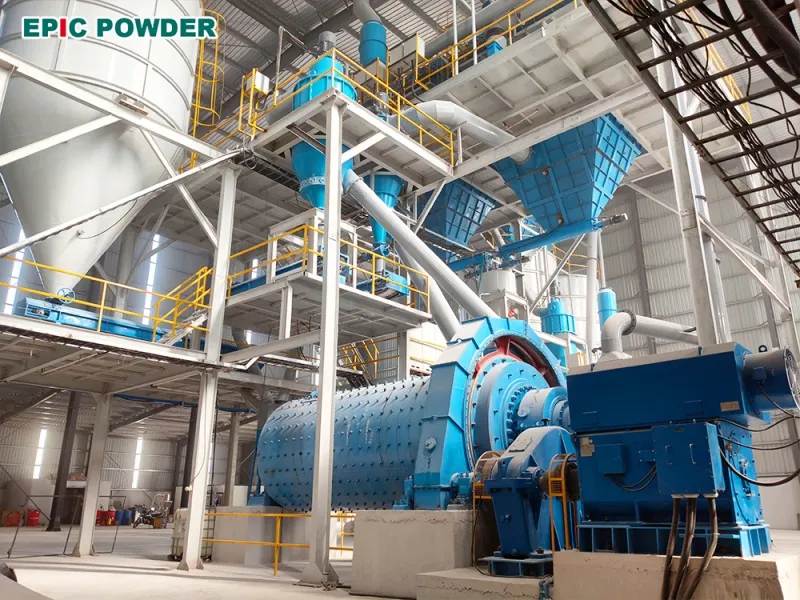
Ground Calcium Carbonate Ball Mill +Classifier System

What Is the Core Difference Between Precipitated Calcium Carbonate and Ground Calcium Carbonate?

In industries such as plastics, rubber, coatings, papermaking, cables, and construction materials, calcium carbonate is one of the most widely used inorganic fillers. It plays a critical role in product performance and cost control. However, in practical applications, Precipitated Calcium Carbonate (PCC) and Ground Calcium Carbonate (GCC) are often confused or improperly selected. This can

What Is the Core Difference Between Precipitated Calcium Carbonate and Ground Calcium Carbonate? Read More »

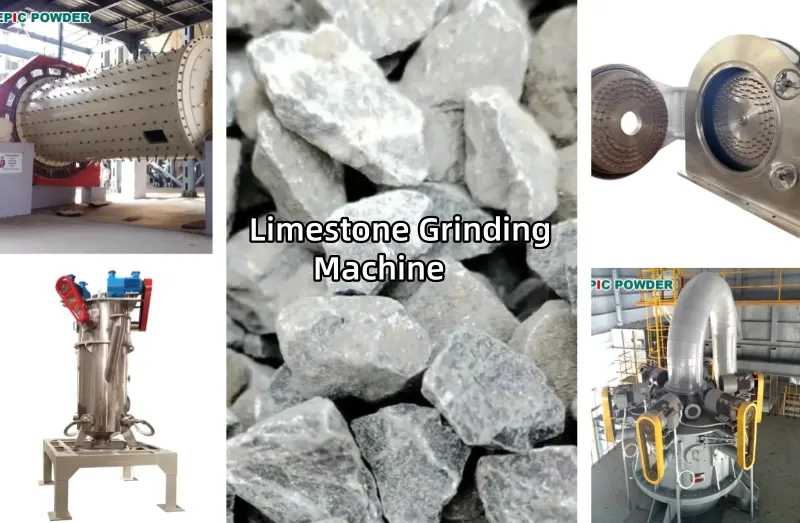
limestone grinding machine

Why Is Limestone Known as “the King of Non-Metallic Minerals”?

Limestone is one of the most widely used, highly versatile, and economically significant non-metallic minerals in the world. From construction materials to advanced industrial applications, its influence spans countless industries. This extensive reach, combined with its abundant reserves and diverse functionalities, has earned limestone the title of “the King of Non-Metallic Minerals.”But what makes limestone

Why Is Limestone Known as “the King of Non-Metallic Minerals”? Read More »

calcium carbonate

Which is More Suitable for Plastics—Light Calcium or Heavy Calcium?

Among the many filler and modification materials used in the plastics industry, calcium carbonate holds an irreplaceable position. It is generally divided into heavy calcium carbonate and light calcium carbonate. This raises an important question for plastic formulators:Which is more suitable for plastic products—light calcium or heavy calcium? Understanding the Difference Between Heavy Calcium and

Which is More Suitable for Plastics—Light Calcium or Heavy Calcium? Read More »

calcium carbonate

Calcium Carbonate — The “Grain of Industry”

In modern industrial systems, calcium carbonate (CaCO₃) is known as the “grain of industry” for its abundant resources, stable properties, and wide range of applications. As an essential non-metallic mineral raw material, calcium carbonate not only supports traditional manufacturing industries but also plays a vital role in emerging sectors and high-tech fields. From plastics and

Calcium Carbonate — The “Grain of Industry” Read More »