epicpowder

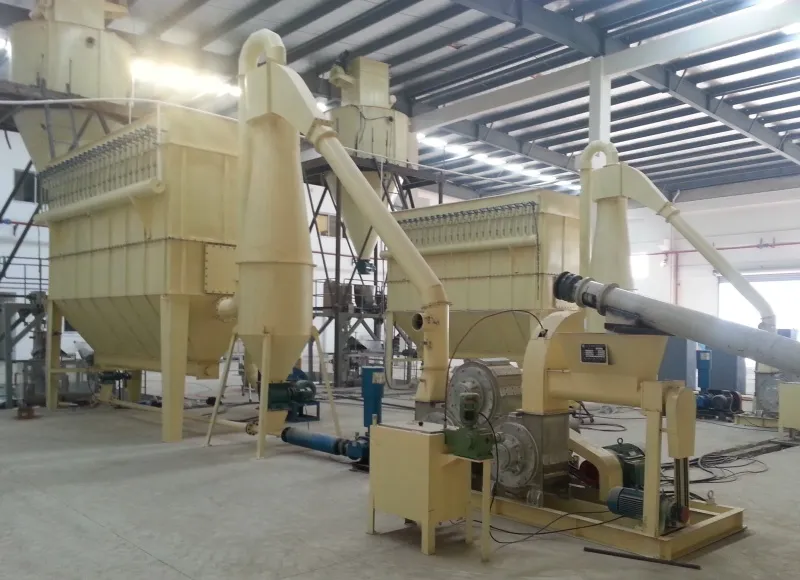
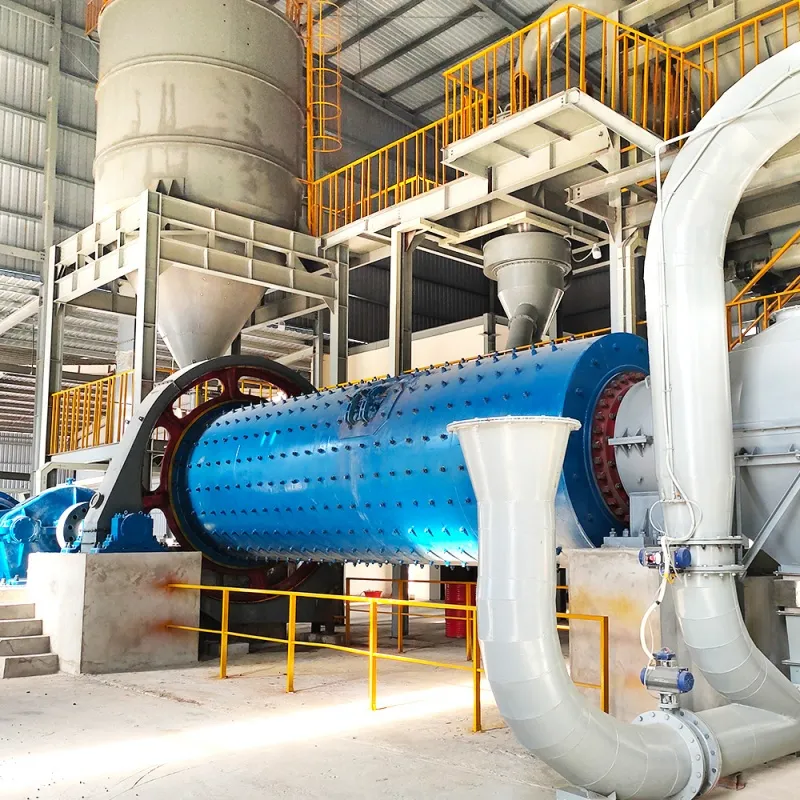
ball mill+air classifier+Pin mill coating machine

Raymond Mill vs. Ball Mill: Which is Best for Calcium Carbonate Grinding?

Calcium carbonate (CaCO₃) is one of the most widely used industrial minerals on the planet. From paper coating and plastics fillers to paints, rubber, pharmaceuticals, and even food additives, the quality of ground calcium carbonate (GCC) powder depends heavily on particle size, distribution, whiteness, and production efficiency. Achieving the right fineness — whether 200 mesh […]

Raymond Mill vs. Ball Mill: Which is Best for Calcium Carbonate Grinding? Read More »

calcium carbonate filler

Can Ultrafine Grinding Solve the Transparency Issues in Calcium Carbonate Fillers?

Ultrafine grinding is a highly specialized milling process designed to reduce particles to an extremely fine size, often below one micron. This technique enhances the surface area and reactivity of materials, making it invaluable for industries aiming to improve product performance. In the context of calcium carbonate ultrafine grinding, this process involves breaking down calcium

Can Ultrafine Grinding Solve the Transparency Issues in Calcium Carbonate Fillers? Read More »

ground calcium carbonate application

How Is Calcium Carbonate Powder Processed, and What Are its Extended Applications in Various Industries?

Calcium carbonate is one of the most abundant inorganic minerals in nature. It widely exists in natural minerals such as limestone, dolomite, marble, and calcite, and can also be produced through industrial solid waste recycling and chemical synthesis. As a non-toxic, odorless, white, and cost-effective inorganic powder material, Calcium Carbonate Powder Processed through advanced technologies

How Is Calcium Carbonate Powder Processed, and What Are its Extended Applications in Various Industries? Read More »

jet mill for better whiteness calcium carbonate

Can a Jet Mill Achieve Better Whiteness than a Stirred Mill in Ultrafine Calcium Carbonate Grinding?

In ultrafine calcium carbonate (CaCO₃) processing, whiteness is not merely a visual parameter—it is a core indicator of product quality and market value. Whether the application is high-end plastics, paper coating, paints, sealants, or engineered composites, whiteness directly influences brightness, opacity, dispersion performance, and final product aesthetics. As calcium carbonate particles are ground into the

Can a Jet Mill Achieve Better Whiteness than a Stirred Mill in Ultrafine Calcium Carbonate Grinding? Read More »

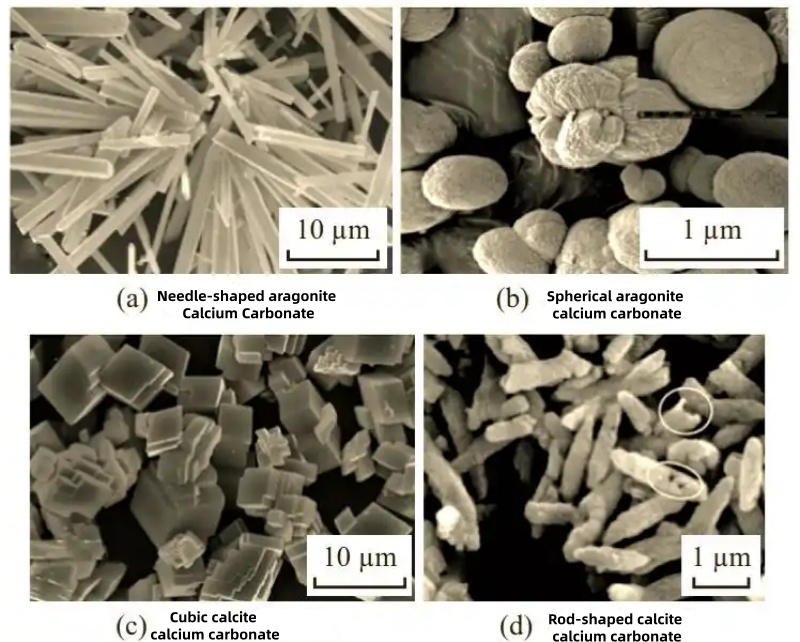
Aragonite Ultrafine Grinding

Why is the ITC Classifier and Ball Mill System Essential for Premium Aragonite Ultrafine Grinding?

If you’re tackling the challenge of aragonite ultrafine grinding, you already know it’s not just about pulverizing calcium carbonate. Preserving that distinctive needle-like crystal structure while achieving a tight particle size distribution demands more than standard milling. In industrial mineral processing, the right combination of machinery and technique can make or break product performance—especially in

Why is the ITC Classifier and Ball Mill System Essential for Premium Aragonite Ultrafine Grinding? Read More »

Ultrafine Grinding Ball Mill

How to Optimize 5-25 Micron Calcium Carbonate Ultrafine Processing with Advanced Grinding Technology?

Producing 5-25 micron calcium carbonate powders poses clear challenges: balancing a narrow Particle Size Distribution (PSD) while minimizing energy consumption and avoiding over-grinding. If your current process struggles with inconsistent output or excessive costs, optimizing your ultrafine processing with advanced grinding technology is critical. This guide focuses on how the right combination of ball mill

How to Optimize 5-25 Micron Calcium Carbonate Ultrafine Processing with Advanced Grinding Technology? Read More »

Surface Modification of Calcium Carbonate

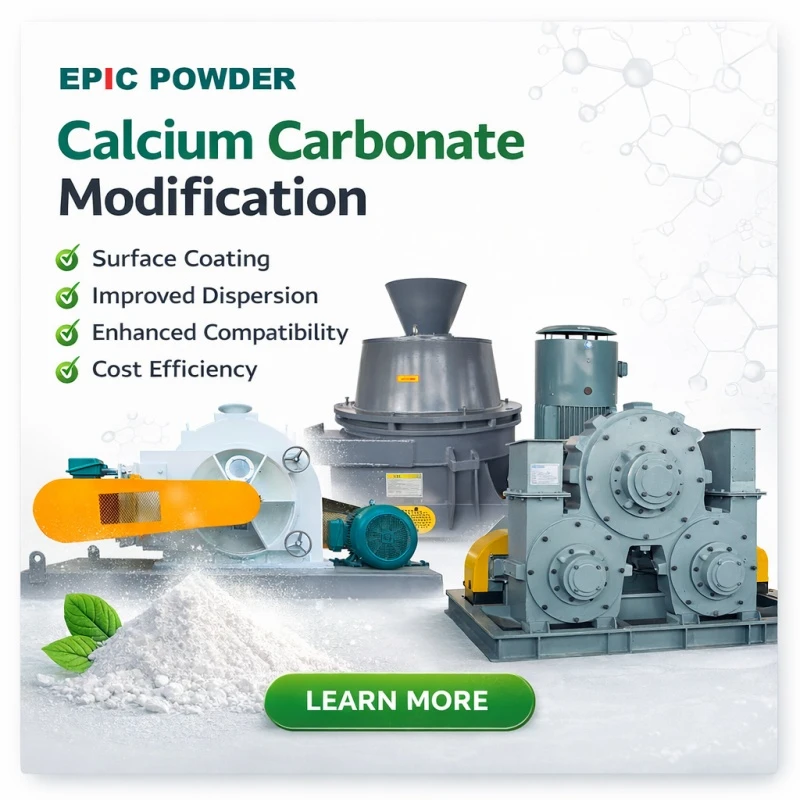
How Does Surface Modification of Calcium Carbonate Improve Performance and Enable Precise Application Matching?

Calcium carbonate, as an inorganic powder material with abundant reserves, low cost, and environmental friendliness, has been widely used in plastics, rubber, coatings, papermaking, adhesives, and many other fields. However, it inherently exhibits hydrophilic and oleophobic surfaces, poor compatibility with organic matrices, and a strong tendency to agglomerate. These intrinsic drawbacks limit its application in

How Does Surface Modification of Calcium Carbonate Improve Performance and Enable Precise Application Matching? Read More »

Calcium Carbonate in the Papermaking Industry

How Does Calcium Carbonate Optimize Application and Performance in the Papermaking Industry?

Calcium carbonate, as a high-quality, low-cost, and environmentally friendly inorganic filler, has become one of the most widely used fillers in the papermaking industry due to its high whiteness, good dispersibility, strong chemical stability, and abundant resources. It is extensively applied in the production of cultural paper, packaging paper, and tissue paper. In papermaking, calcium

How Does Calcium Carbonate Optimize Application and Performance in the Papermaking Industry? Read More »

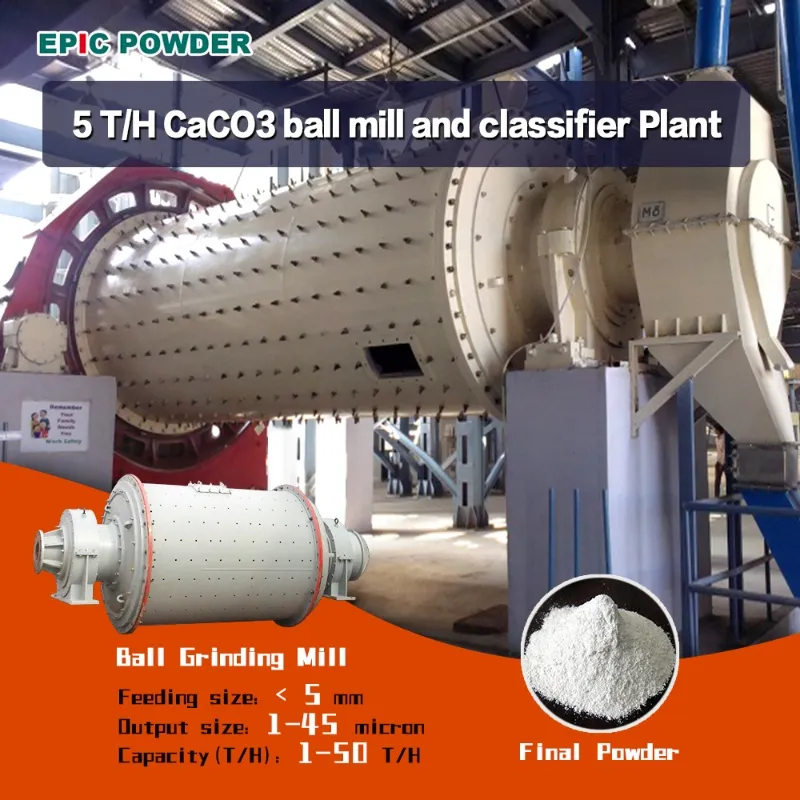
Ground calcium carbonate ball mill classifier production line

Why use a ball mill and classifier system for the ultrafine grinding of Ground Calcium Carbonate?

You already know that achieving high-quality ground calcium carbonate ultrafine grinding is a constant battle between particle fineness and energy consumption. But how do you consistently hit precise D97 targets without destroying your profit margins? In this guide, I’m going to break down the exact processing line—specifically the Ball Mill and Air Classifier system—that is

Why use a ball mill and classifier system for the ultrafine grinding of Ground Calcium Carbonate? Read More »

Calcium carbonate whisker modification

What Are Calcium Carbonate Whiskers?

Whiskers are single-crystal materials that grow in a filament-like or needle-like shape. They resemble short fibers, but their dimensions are much smaller. Whisker materials can be classified into organic whiskers and inorganic whiskers. Common inorganic whisker materials include SiC, Si₃N₄, K₂Ti₁₃O₃₀, Al₁₈B₄O₃₃, ZnO, MgO, Al₂O₃, and CaCO₃. The atomic structure inside a whisker is highly

What Are Calcium Carbonate Whiskers? Read More »