
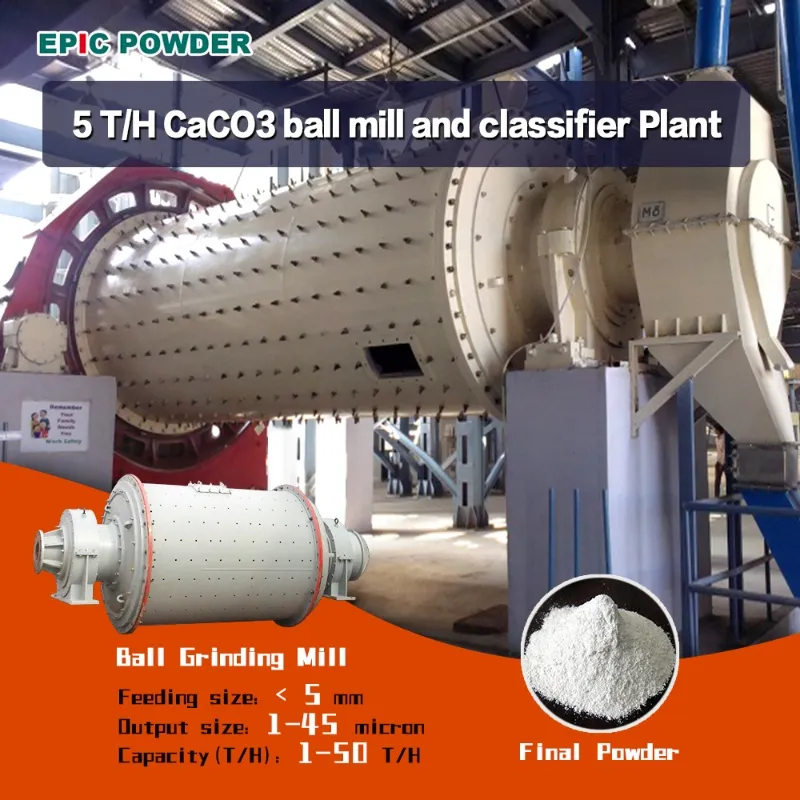
When it comes to industrial fillers, one material is almost everywhere — from PVC pipes and phone cases to latex paint and even calcium supplements in bread.
That material is calcium carbonate (CaCO₃).
As an abundant, low-cost, and stable performer, calcium carbonate is the “all-rounder” of the materials world. It not only reduces cost but also enhances performance — a true “dual-function” industrial workhorse. Let’s explore how this modest mineral became an essential cornerstone across modern industries
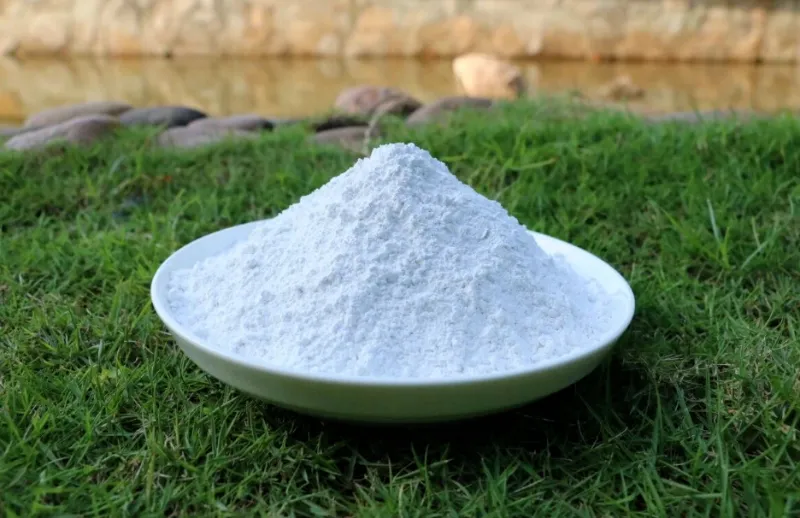
First, Know Your Calcium Carbonate: The Three Types
Although all are called calcium carbonate, their origins and properties differ greatly.
| Type | Source | Particle Size | Key Features |
|---|---|---|---|
| Ground Calcium Carbonate (GCC) | Produced by crushing and grinding natural limestone or calcite | 5–100 μm | Low cost, easy to disperse, medium whiteness (90–95%), low oil absorption |
| Precipitated Calcium Carbonate (PCC) | Chemically synthesized through calcination and carbonation of limestone | 0.5–10 μm | Fine particles, high whiteness (92–97%), high oil absorption, large surface area |
| Nano Calcium Carbonate (Nano-CaCO₃) | Synthesized via special methods (e.g., carbonation process) | 1–100 nm | Nanometer scale, high surface activity, greatly improves mechanical strength after surface modification |
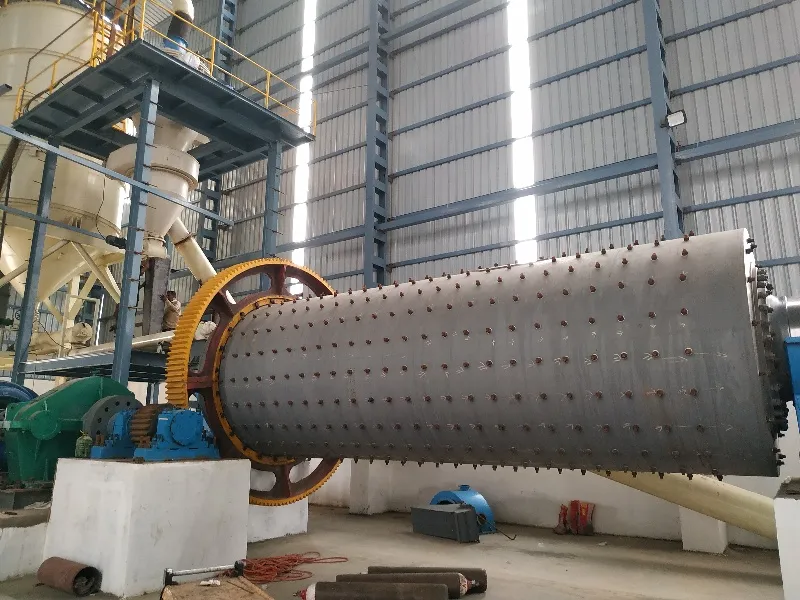
The Core Value of Calcium Carbonate
Calcium carbonate is often called the “universal ingredient” of modern industry for two main reasons:
Cost Reduction: The Real Money Saver
Calcium carbonate is much cheaper than resins, rubbers, or coatings.
For example, adding 30–50% GCC to PVC pipes can replace nearly half of the expensive resin while maintaining performance.
That’s real “spend less, achieve more” efficiency — no wonder it’s so popular.
Performance Enhancement: More Than Just a Filler
It’s not only about filling — calcium carbonate can actually improve performance:
- Reinforcement: In plastics, it increases hardness and bending strength by 20–30%. (PVC window frames, for instance, become more deformation-resistant.)
- Heat and shrink resistance: With a decomposition temperature of 825°C, it raises PP’s heat distortion temperature by 10–15°C and reduces shrinkage (e.g., 20% CaCO₃ in ABS lowers shrinkage from 0.5% to 0.3%).
- Better processability: Improves extrusion flow in plastics and simplifies rubber mixing.
- Functional improvement: High-whiteness PCC replaces part of titanium dioxide in coatings, while in rubber it boosts wear resistance (making tires and soles last longer).
Wide Applications Across Industries
From construction to food, calcium carbonate has quietly expanded its influence into nearly every field.
Plastics Industry: The Largest User
- Rigid products: 30–60% GCC in PVC pipes and window profiles makes them stronger and cheaper, and it helps absorb harmful HCl gas during PVC decomposition.
- Soft products: 10–30% PCC in PVC films and synthetic leather provides a softer touch and better UV resistance.
- Engineering plastics: Modified nano-CaCO₃ improves impact resistance of ABS and nylon by more than 10%.
Rubber Industry: The Wear-Resistance Expert
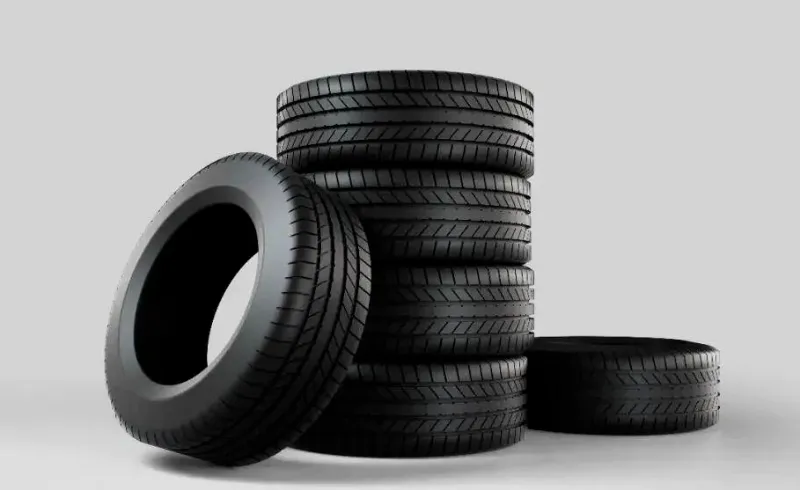
- Adding 10–30% GCC to tire treads greatly enhances wear resistance while reducing rubber consumption.
- In seals and hoses, it improves hardness and anti-aging properties, keeping products durable for longer.
Paints and Inks: The Appearance Booster
- Latex paints: 20–40% GCC increases coating thickness, improves scrub resistance, and reduces titanium dioxide use by 10–20%.
- Printing inks: Ultrafine CaCO₃ adjusts viscosity, ensuring smoother printing without clogging.
Paper Industry: The “Beauty Artist”
- Adding 10–30% GCC to cultural and packaging paper enhances whiteness and smoothness while reducing pulp consumption.
- In coated paper, ultrafine CaCO₃ replaces kaolin, giving printed images higher brightness and clarity.
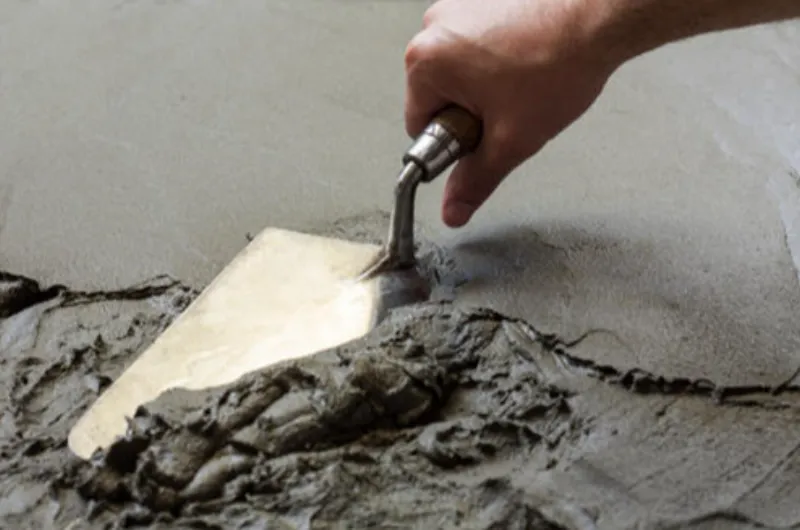
Building Materials: The Perfect Finishing Partner
- Interior putty: Contains 50–70% GCC for smoother application and easier sanding.
- Exterior mortar: Improves strength and water resistance, ensuring durability against weathering.
Other Fields: Hidden but Essential
- Adhesives and sealants: 30–50% GCC improves bonding strength and reduces shrinkage after curing.
- Food-grade CaCO₃: Used as a calcium supplement in bread and tablets (yes, you’re getting real calcium, not “stone”!).
Key Technology: Giving Calcium Carbonate a “Coating”
Calcium carbonate is an inorganic polar material, while plastics and rubbers are non-polar organic materials.
This mismatch causes poor compatibility — unmodified CaCO₃ tends to clump and weaken material strength.
The solution? Surface modification, also called “coating.”
Using agents such as stearic acid or coupling agents, CaCO₃ particles are covered with an organic layer that improves compatibility with polymers.
For example, modified nano-CaCO₃ added to polypropylene can increase impact strength by more than 30%, even at just 5% loading. Calcium carbonate’s journey from “stone” to “industrial cornerstone” isn’t about being high-tech — it’s about balancing cost and performance.
Today, with ultrafine grinding, nanotechnology, and surface modification, calcium carbonate has moved into advanced fields such as engineering plastics and biodegradable materials.
It’s not just a filler anymore — it’s a performance enhancer driving the next wave of material innovation.