
If you’re tackling the challenge of aragonite ultrafine grinding, you already know it’s not just about pulverizing calcium carbonate. Preserving that distinctive needle-like crystal structure while achieving a tight particle size distribution demands more than standard milling. In industrial mineral processing, the right combination of machinery and technique can make or break product performance—especially in high-end applications like plastics and rubber fillers. In this post, you’ll discover how advanced ball mill and ITC air classifier systems, paired with specialized surface modification, optimize aragonite grinding for maximum efficiency and product value. Let’s get straight to the technical heart of ultrafine aragonite processing.
Understanding Aragonite: Specialized Grinding Needs
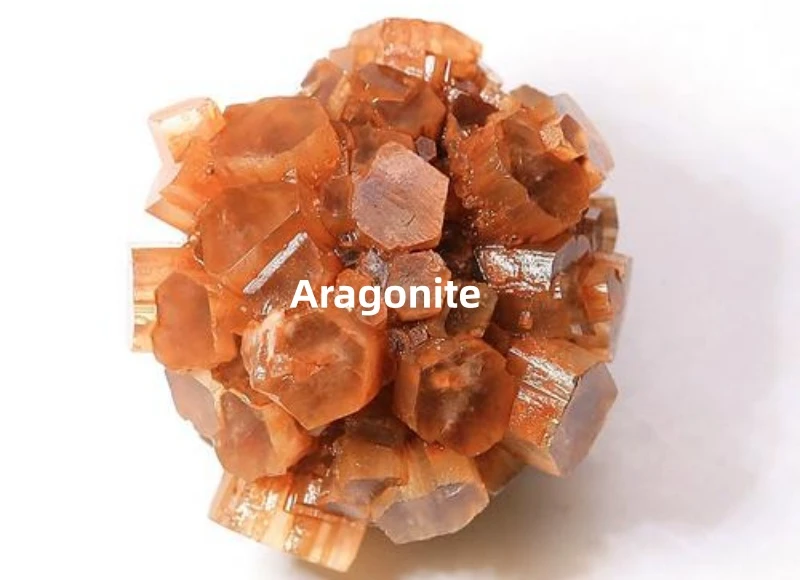
Aragonite is a unique form of calcium carbonate with a needle-like crystal structure and a high aspect ratio. This distinct crystal morphology significantly affects its grinding behavior. Unlike other mineral fillers, aragonite’s slender, elongated particles require specialized ultrafine grinding techniques to achieve consistent particle size distribution without damaging the crystal integrity.
When processing aragonite, hardness and abrasiveness are key concerns. Its relatively moderate hardness can cause wear on grinding machines over time, especially when using traditional media. This leads to increased maintenance costs and the risk of contamination, so selecting appropriate grinding media—like ceramic ball mill media—is crucial to reduce machine wear and maintain product purity.
The target in ultrafine grinding is typically to reach a narrow particle size range, often defined by D50 (median particle size) and D97 (percentile particle size) values. For aragonite, optimal performance in applications such as industrial mineral fillers depends on achieving micronized particle sizes with high specific surface area (BET), enhancing its dispersibility and reinforcing characteristics.
In , to process aragonite effectively, understanding its crystal morphology, aspect ratio, and abrasiveness is essential. These factors dictate the need for a closed-circuit grinding system capable of producing consistent ultrafine powders tailored to industrial specifications.
Core Technology: Ball Mill and Air Classification System
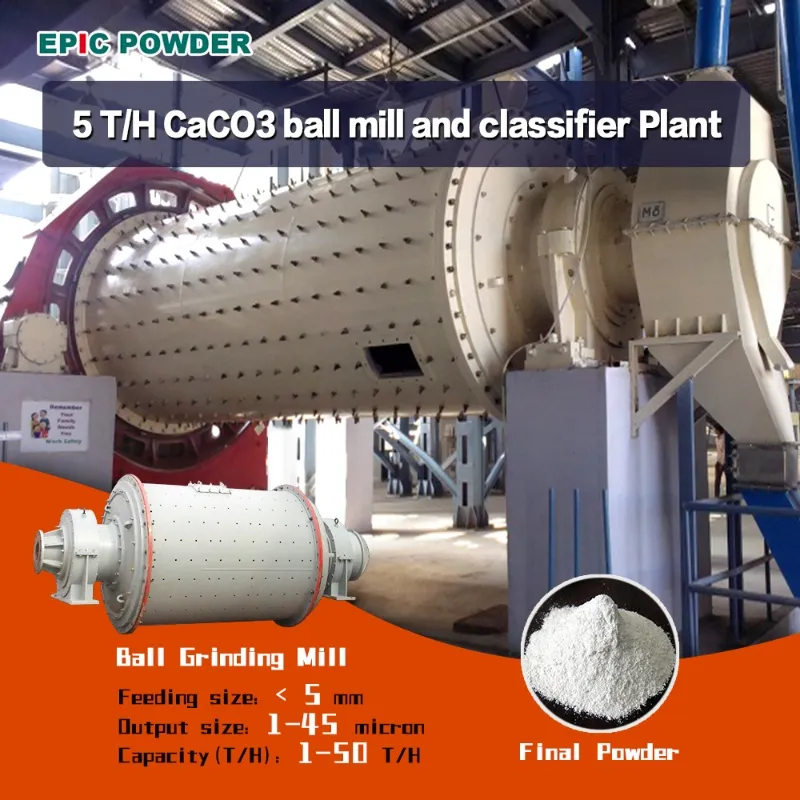
When it comes to Aragonite ultrafine grinding, the heart of the process lies in the ball mill combined with the ITC air classifier. This closed-circuit grinding system ensures precise control over particle size and distribution, key factors in achieving high-quality micronized mineral powder.
Ball Mill Grinding Advantages and Media Selection
Ball mills offer reliable, efficient grinding for aragonite, especially due to its needle-like crystal structure and high aspect ratio. They excel in dry grinding technology, minimizing moisture issues and optimizing efficiency.
Key benefits:
Consistent, uniform particle size reduction.
Adaptable to various feed sizes.
Ideal for producing fine and ultrafine powders .
Ceramic Ball Mill Media
Reduces wear and contamination.
Preserves aragonite purity .
Steel Media
High density for efficient grinding
Used for tougher minerals
Using ceramic media is preferred for aragonite to prevent contamination and preserve quality.
ITC Air Classifier Functions and Control Parameters.
The ITC air classifier works alongside the ball mill to separate particles based on size using an air classifying wheel. This controls the particle size distribution (D50/D97) tightly, ensuring only particles below the target size move forward.
Main functions:
Precise particle size separation
Adjustable rotor speed and airflow to tune classification
Enhances specific surface area (BET) by removing oversized particles
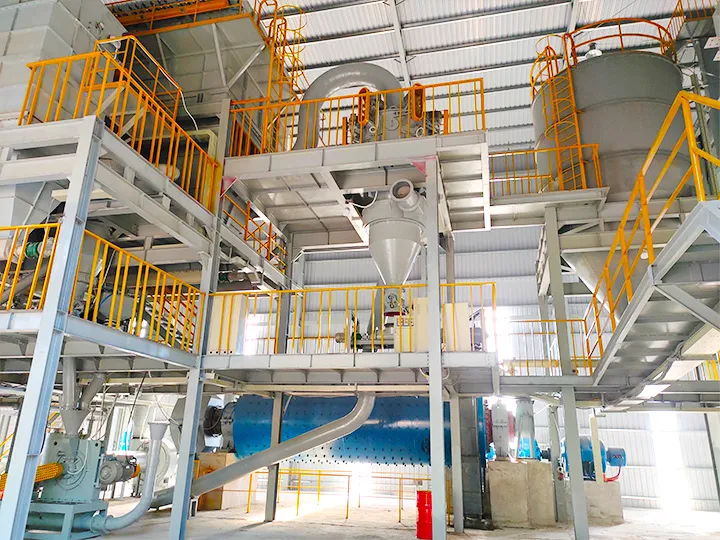
Together, the ball mill and ITC air classifier create a flexible, energy-efficient system tailored to the challenges of ultrafine aragonite grinding.
For further insight on grinding equipment and calcium carbonate processing, explore our detailed guide on what grinding equipment is needed to produce high specific surface area calcium hydroxide and what it is used for.
Related Questions
Q1: Why is ceramic media preferred over steel media in ball mill grinding for aragonite?
A1: Ceramic media reduces contamination and wear during grinding, preserving the purity and whiteness of aragonite ultrafine powder, which is crucial for high-value industrial mineral fillers.
Q2: How does the ITC air classifier improve powder quality in ultrafine grinding?
A2: It separates particles precisely based on size by adjusting airflow and rotor speed, ensuring a consistent particle size distribution and higher specific surface area, enhancing powder performance in applications like coatings and plastics.
Value-Added Processing: Surface Coating and Modification
Coating ultrafine aragonite powder is essential to prevent powder agglomeration during handling and application. Due to its needle-like crystal structure and high specific surface area (BET), untreated aragonite tends to clump together, which reduces its dispersion quality and overall performance.
Using a pin mill coating machine, we apply a uniform stearic acid coating that adheres tightly to the aragonite particles. This dry coating process enhances the powder’s flowability and minimizes interaction between particles, effectively preventing agglomeration. The pin mill’s high-speed impact milling ensures even distribution of the surface modifier without damaging the delicate ultrafine crystals.
Surface modification dramatically improves powder dispersion in various matrices, such as plastics, rubber, and paints. By reducing particle clustering, coated aragonite delivers superior rheology control and consistent performance as an industrial mineral filler. For more insights into mineral surface modification techniques, you can explore our detailed guide on why calcium carbonate needs surface modification.
This coating step adds significant value by preserving the powder’s brightness and maintaining optimal particle size distribution, which is key when targeting ultrafine grinding finishes.
Process Optimization Strategies with Epic Powder Expertise
At Epic Powder, we focus on optimizing the ultrafine grinding process of aragonite to deliver the best balance between efficiency and product quality. Here’s how we do it:
- Energy Efficiency Between Ball Mill and ITC Air Classifier We carefully balance the energy input between the ball mill and the air classification system to maximize grinding efficiency and achieve precise particle size distribution (D50/D97). Efficient dry grinding technology minimizes power consumption without compromising fineness.
- Temperature Management to Preserve Whiteness Ultrafine grinding can raise temperatures, risking discoloration of the aragonite powder. We implement advanced cooling and ventilation strategies during milling to maintain the mineral’s natural whiteness and high specific surface area (BET), critical for industrial mineral fillers.
- Wear Protection with Specialized Linings To maintain purity and reduce machine wear, we use wear-resistant linings inside the ball mill and coating machines. These linings help prevent contamination and extend equipment life, ensuring consistent particle morphology and avoiding powder agglomeration.
For clients interested in more detailed equipment options supporting these strategies, our solutions include the latest in vertical air classifiers and tailored ceramic ball mill media selections.
Related Questions
Q1: How does temperature affect the quality of ultrafine ground aragonite?
A1: Elevated temperatures during grinding can cause discoloration and degradation of aragonite’s whiteness. Proper temperature control preserves its brightness and functional surface properties, which are essential for applications like paints and coatings.
Q2: Why is wear protection important in ball mill grinding for aragonite?
A2: Wear protection linings reduce contamination from metal abrasion and prevent changes in particle shape or size caused by equipment wear, maintaining the powder’s purity and performance, especially important for high aspect ratio fillers.
Industrial Applications of Ultrafine Ground Aragonite
Ultrafine ground aragonite is highly valued across industries due to its unique properties like high specific surface area (BET) and needle-like crystal structure. In the paper industry, it plays a crucial role in enhancing opacity and improving printability, making papers brighter and more vibrant without compromising strength.
In plastics and rubber, aragonite acts as a reinforcing filler with a high aspect ratio, providing mechanical strength while keeping products lightweight. Its ultrafine particle size also improves dispersion, enhancing performance without causing powder agglomeration.
For paints and coatings, ultrafine aragonite is used to modify rheology, improving paint flow and stability. Its mineral surface modification capabilities help in achieving better adhesion and durability in coatings, contributing to enhanced finish quality.
These diverse industrial applications make ultrafine aragonite an essential component in modern manufacturing. If you want to learn more about different calcium carbonate forms and their uses, check out our detailed guide on types of calcium carbonate and their applications.
Why Choose Epic Powder for Aragonite Processing?
Epic Powder stands out as a trusted partner for ultrafine grinding of aragonite, offering customized solutions tailored to your specific needs. Here’s why we’re the go-to expert in calcium carbonate processing:
| Feature | Benefit |
|---|---|
| Customized Ball Mill Designs | Optimized grinding efficiency with ceramic ball mill media suited for aragonite’s hardness and crystal structure. |
| ITC Air Classifier Integration | Precise particle size control (D50/D97) for micronized mineral powder with consistent particle size distribution. |
| Turnkey Solutions | From raw ore to final packaging—Epic Powder handles every step with seamless coordination and quality control. |
| Technical Support | Lab testing and pilot runs ensure process optimization, energy efficiency, and product purity before full-scale production. |
Our closed-circuit grinding system balances energy use while preserving the high aspect ratio and whiteness essential for high-performance industrial mineral fillers. Plus, we offer superior wear protection and surface modification support like mineral surface coating to reduce powder agglomeration.
For detailed insights into how we modify mineral surfaces for better dispersion, check out our specialized surface modification services.
Related Questions
Q1: What makes Epic Powder’s ball mills particularly suitable for aragonite ultrafine grinding?
Our ball mills use specially selected ceramic media that minimize wear and preserve aragonite’s needle-like crystal structure, enhancing specific surface area (BET) and ensuring consistent particle size for your applications.
Q2: How does Epic Powder ensure consistent particle size distribution during aragonite grinding?
We integrate ITC air classifiers that offer precise control over particle size distribution (D50/D97) in a closed-circuit grinding system, enabling the production of uniform micronized mineral powder tailored to your product requirements.
“Thanks for reading. I hope my article helps. Please leave a comment down below. You may also contact Zelda online customer representative for any further inquiries.”
— Posted by Emily Chen