epicpowder

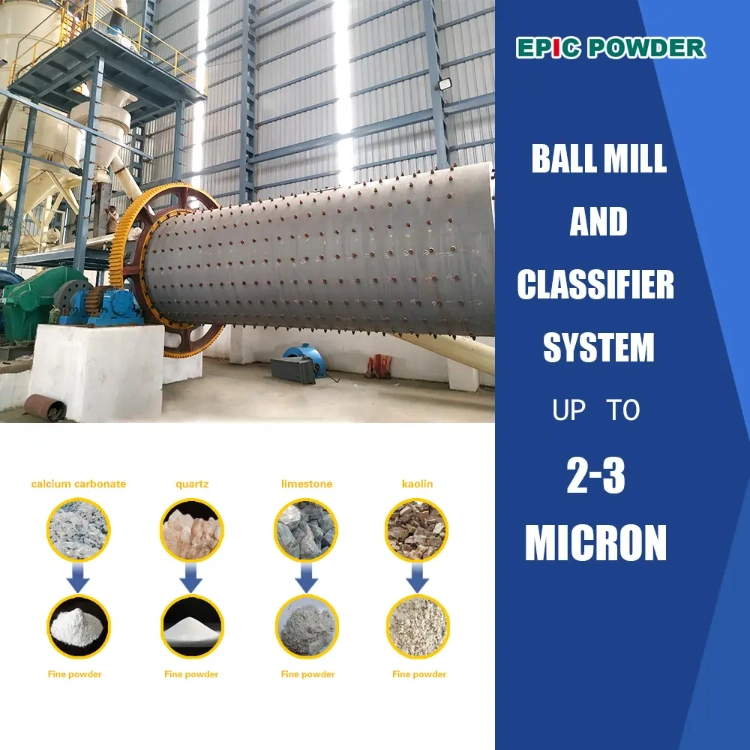
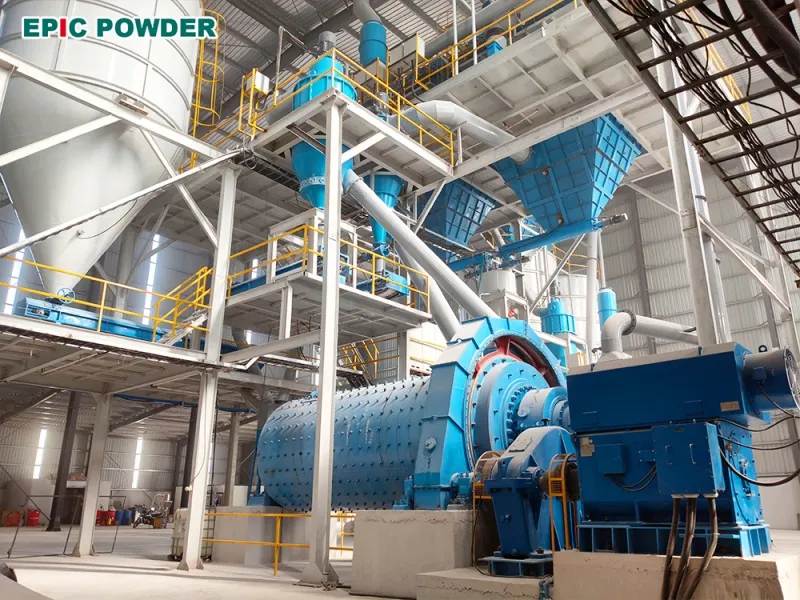
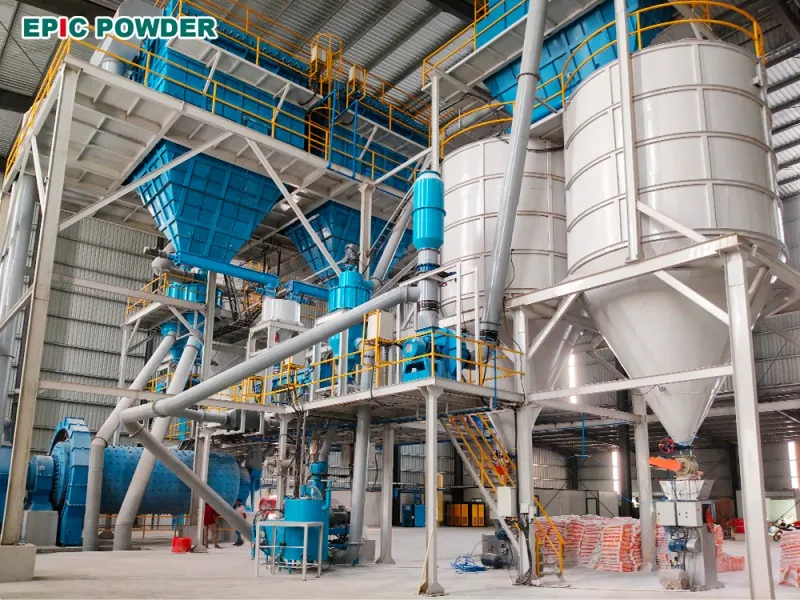
ball mill classifier system 3

Entering the Micron Era: Design and Application of Calcium Carbonate Ultrafine Grinding Production Line

Calcium carbonate (CaCO₃) is one of the most widely used non-metallic mineral raw materials in industrial applications. It plays an essential role in plastics, papermaking, coatings, rubber, ink, and pharmaceuticals. As downstream industries demand increasingly higher material performance, ultrafine grinding technology has become the key to enhancing the added value of calcium carbonate. A calcium

Entering the Micron Era: Design and Application of Calcium Carbonate Ultrafine Grinding Production Line Read More »

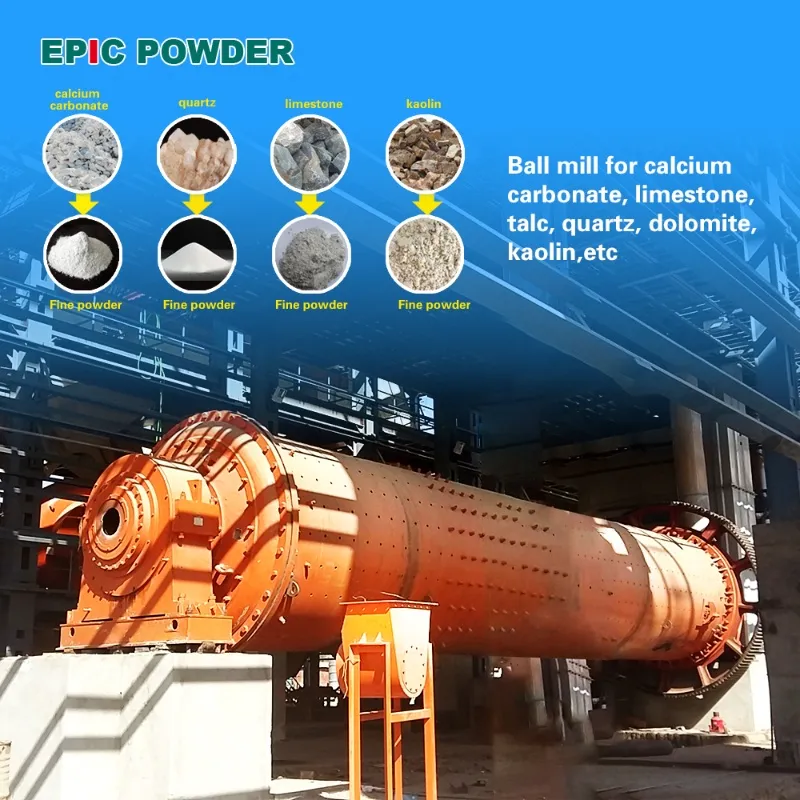
ball mill product line

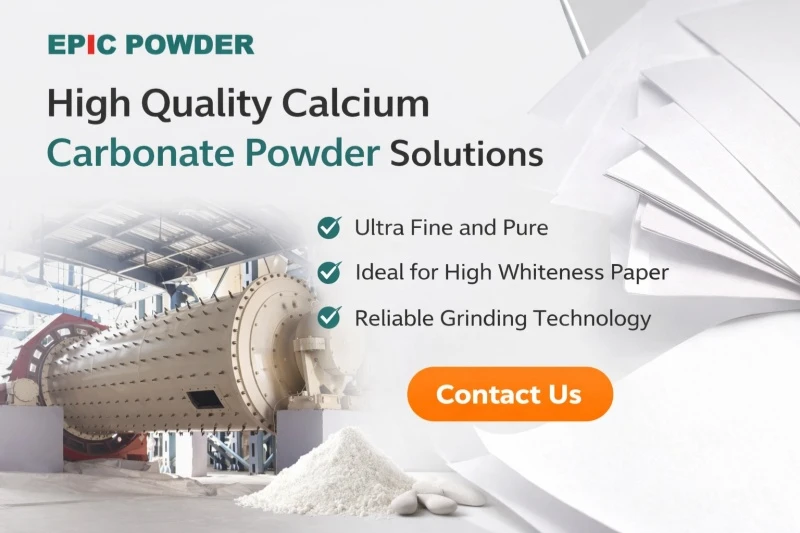
Calcium Carbonate Grinding Equipment: How the “White Gold” of Modern Industry Is Made

Calcium carbonate (CaCO₃) is a widely used inorganic non-metallic material, extensively applied in plastics, paper, coatings, rubber, and many other industries. Its performance—particularly in terms of particle size and morphology—depends almost entirely on one crucial stage: grinding. This Q&A aims to explore the necessity, key equipment, and technologies involved in calcium carbonate grinding. Q1: Why

Calcium Carbonate Grinding Equipment: How the “White Gold” of Modern Industry Is Made Read More »

ball mill and classifier Production line

Calcium Carbonate Is Reshaping the Plastic Composites Industry

In the history of the plastics industry, calcium carbonate has long been regarded as a low-cost filler, valued mainly for reducing raw material costs. However, with breakthroughs in processing technology and the evolution of application demands, this traditional perception is being completely redefined. Today, calcium carbonate has transformed into a functional modifier that combines three

Calcium Carbonate Is Reshaping the Plastic Composites Industry Read More »

calcium carbonate

Calcium Carbonate — The “Grain of Industry”

In modern industrial systems, calcium carbonate (CaCO₃) is known as the “grain of industry” for its abundant resources, stable properties, and wide range of applications. As an essential non-metallic mineral raw material, calcium carbonate not only supports traditional manufacturing industries but also plays a vital role in emerging sectors and high-tech fields. From plastics and

Calcium Carbonate — The “Grain of Industry” Read More »

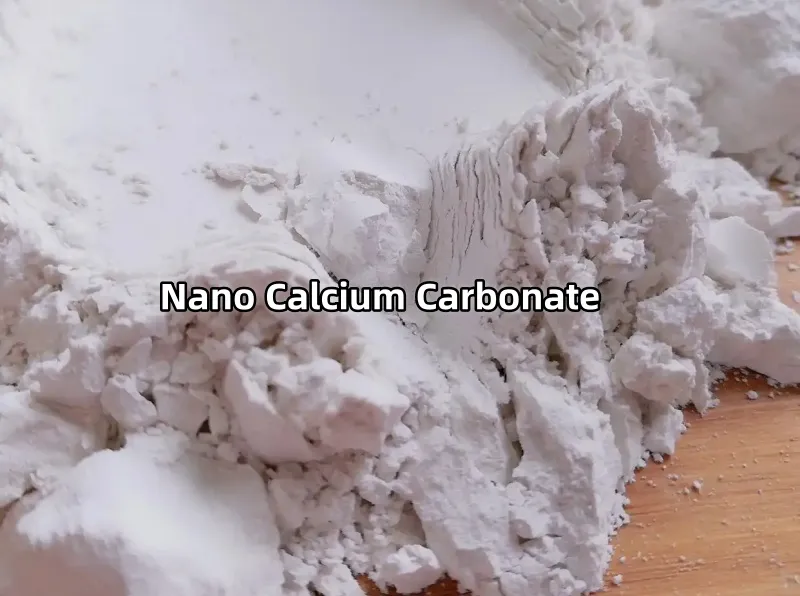
Ultra-fine Calcium Carbonate

Applications and Market Prospects of Ultra-fine Calcium Carbonate in Various Industries

According to different production methods, calcium carbonate can be classified into ground calcium carbonate (GCC), precipitated calcium carbonate (PCC), colloidal calcium carbonate, and crystalline calcium carbonate. Among these, GCC is produced through direct mechanical grinding. Ultra-fine calcium carbonate is an essential non-metallic mineral raw material, widely used due to its abundance, low cost, and performance-enhancing

Applications and Market Prospects of Ultra-fine Calcium Carbonate in Various Industries Read More »

Ultrafine calcium carbonate(GCC)

Key Technical Indices of Ultrafine Calcium Carbonate: Preparation by Grinding and Performance Requirements in Diverse Applications

The key technical specifications of ultrafine calcium carbonate—particle size, specific surface area, crystal form, and oil absorption—directly impact its application performance. While other indicators are important, they are relatively easy to achieve industrially. For specialized products, different applications place varying emphasis on various indicators and require different requirements. Particle Size and Specific Surface Area The

Key Technical Indices of Ultrafine Calcium Carbonate: Preparation by Grinding and Performance Requirements in Diverse Applications Read More »

Calcium Carbonate in Negative Electrode Materials

What Are the Roles of Calcium Carbonate in Negative Electrode Materials

Driven by global energy transition and “dual-carbon” strategies, lithium-ion batteries are core components of electric vehicles and energy storage systems. Their performance improvement and cost reduction are key industry priorities. Negative electrode materials, the “energy heart” of lithium batteries, determine capacity, cycle life, and safety. Traditional graphite anodes, nearing their 372 mAh/g capacity limit, cannot

What Are the Roles of Calcium Carbonate in Negative Electrode Materials Read More »

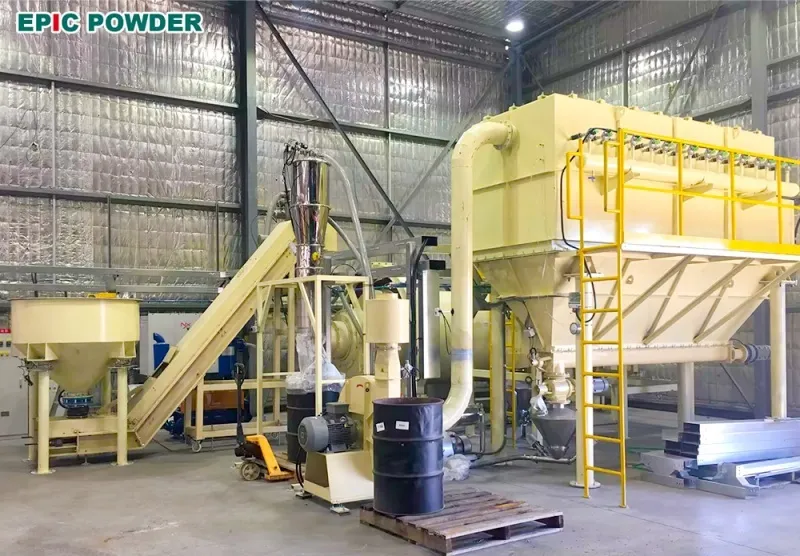
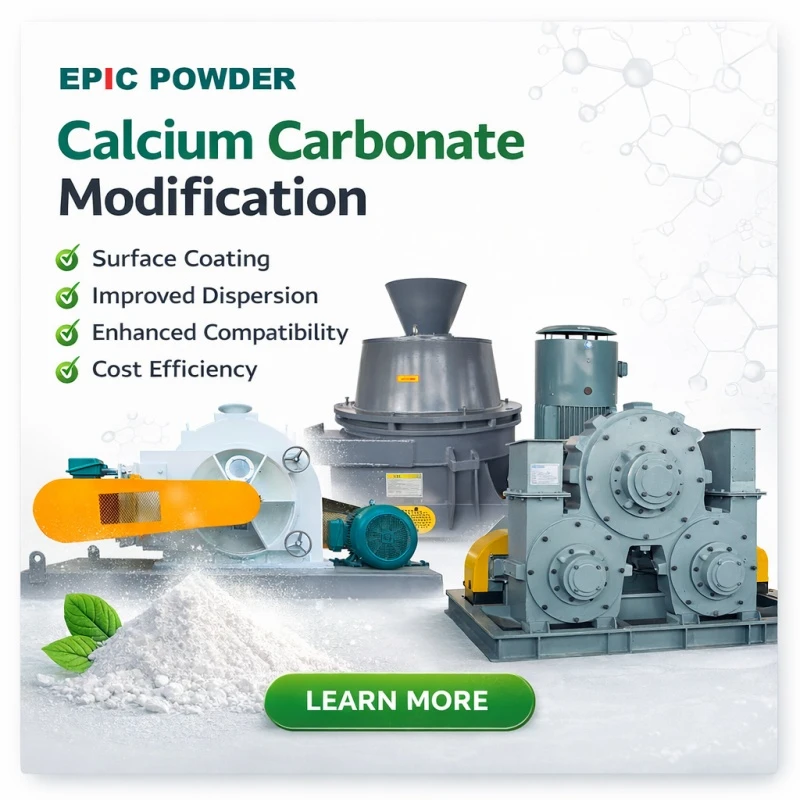
ultrafine calcium carbonate modification machine

What Are the Best Methods for Ultrafine Calcium Carbonate Modification?

Ultrafine calcium carbonate refers to calcium carbonate particles with a size of 0.02–0.1 μm. It is a cost-effective nanomaterial with size effect and surface effect.It shows excellent reinforcing ability, transparency, dispersibility, thixotropy, and leveling performance. Especially ultrafine active calcium carbonate, as a functional filler, significantly improves product quality through toughening and reinforcement. As calcium carbonate

What Are the Best Methods for Ultrafine Calcium Carbonate Modification? Read More »