Surface Modification

calcium carbonate flame retardant (1)

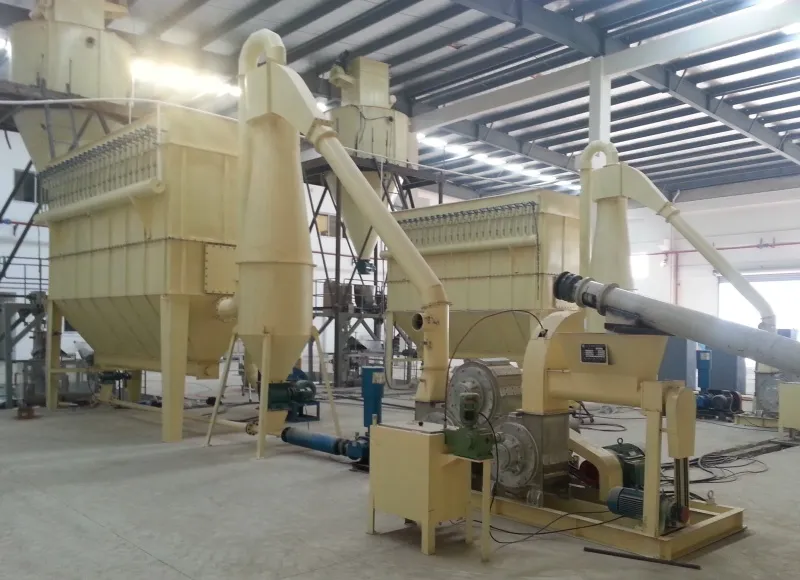
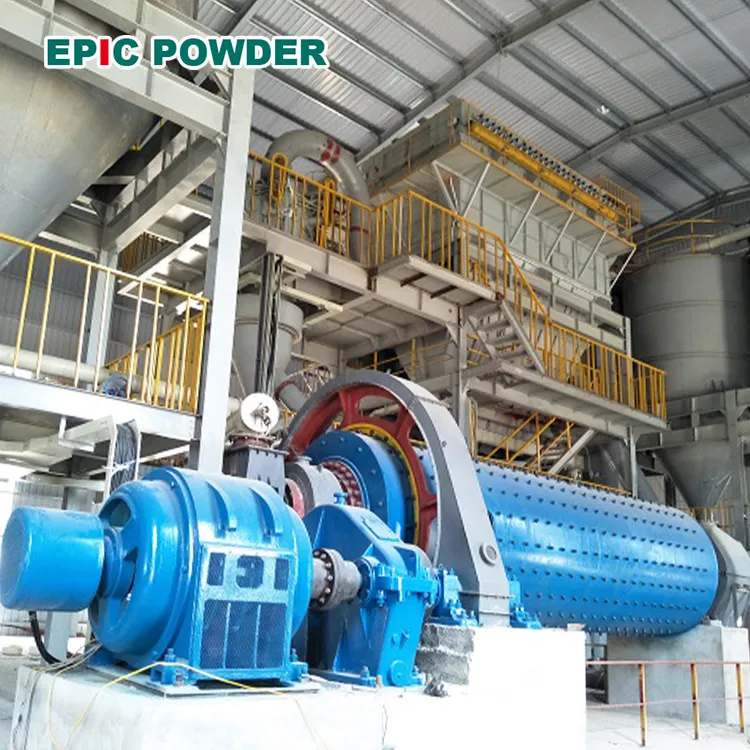
How can industrial grinding and modification technologies enhance the flame-retardant properties of calcium carbonate?

In traditional understanding, calcium carbonate (CaCO₃) is often regarded as a “low-cost inorganic filler,” mainly used to reduce production costs in plastics, rubber, and coatings. However, with the advancement of inorganic modification technologies, the strategic value of calcium carbonate in flame-retardant applications is being redefined. Inorganic particles are non-toxic, thermally stable, resistant to high temperatures, […]
How can industrial grinding and modification technologies enhance the flame-retardant properties of calcium carbonate? Read More »

Calcium Carbonate Coating Machine

How to Prevent Agglomeration in Ultra-Fine Calcium Carbonate Coating Process?

Ultrafine calcium carbonate (ultrafine/nano calcium carbonate) is a critical industrial filler. It is widely used in modern polymer composites, high-end plastic masterbatches, and the rubber and coatings industries. It provides both toughening and modification effects while reducing production costs, making it an indispensable raw material in these fields. To improve its dispersibility and compatibility within

How to Prevent Agglomeration in Ultra-Fine Calcium Carbonate Coating Process? Read More »

heavy calcium carbonate ball mill classifier product line

How to Enhance the Reinforcing Performance of Calcium Carbonate through Ultrafine Grinding ?

In modern industry, calcium carbonate (CaCO3) has evolved beyond being a mere “extender” used to reduce costs. With the rapid advancement of the polymer materials industry, transforming inexpensive mineral resources into high-value active reinforcing fillers has become a focal point of research in material science. Ultra-fine grinding technology has fundamentally altered the destiny of calcium

How to Enhance the Reinforcing Performance of Calcium Carbonate through Ultrafine Grinding ? Read More »

Calcium Carbonate Coating Machine

How Calcium Carbonate Modification Transforms Ultrafine Powders into High-Efficiency Wastewater Purifiers?

In the context of accelerating global industrialization and increasingly stringent environmental regulations, industrial wastewater treatment has become a core challenge for sustainable manufacturing. Calcium carbonate (CaCO3), as a natural mineral that is widely available, cost-effective, and non-toxic, has long been utilized in construction, papermaking, and plastics. However, the application of ordinary industrial-grade calcium carbonate in

How Calcium Carbonate Modification Transforms Ultrafine Powders into High-Efficiency Wastewater Purifiers? Read More »

Surface Modification of Calcium Carbonate

The Performance Code Hidden in Plastics and Rubber! How Powerful Is Calcium Carbonate Modification Technology?

Plastics and rubber have penetrated every aspect of our daily lives. Their applications range from household PVC pipes and appliance housings to automotive tires and seals, as well as industrial protective products and engineering components. The performance of these materials directly determines the product’s service life, safety, and user experience. Behind the performance upgrades of

The Performance Code Hidden in Plastics and Rubber! How Powerful Is Calcium Carbonate Modification Technology? Read More »

Surface Modification of Calcium Carbonate

How Does Surface Modification of Calcium Carbonate Improve Performance and Enable Precise Application Matching?

Calcium carbonate, as an inorganic powder material with abundant reserves, low cost, and environmental friendliness, has been widely used in plastics, rubber, coatings, papermaking, adhesives, and many other fields. However, it inherently exhibits hydrophilic and oleophobic surfaces, poor compatibility with organic matrices, and a strong tendency to agglomerate. These intrinsic drawbacks limit its application in

How Does Surface Modification of Calcium Carbonate Improve Performance and Enable Precise Application Matching? Read More »

Calcium Carbonate in the Papermaking Industry

How Does Calcium Carbonate Optimize Application and Performance in the Papermaking Industry?

Calcium carbonate, as a high-quality, low-cost, and environmentally friendly inorganic filler, has become one of the most widely used fillers in the papermaking industry due to its high whiteness, good dispersibility, strong chemical stability, and abundant resources. It is extensively applied in the production of cultural paper, packaging paper, and tissue paper. In papermaking, calcium

How Does Calcium Carbonate Optimize Application and Performance in the Papermaking Industry? Read More »

Calcium carbonate whisker modification

What Are Calcium Carbonate Whiskers?

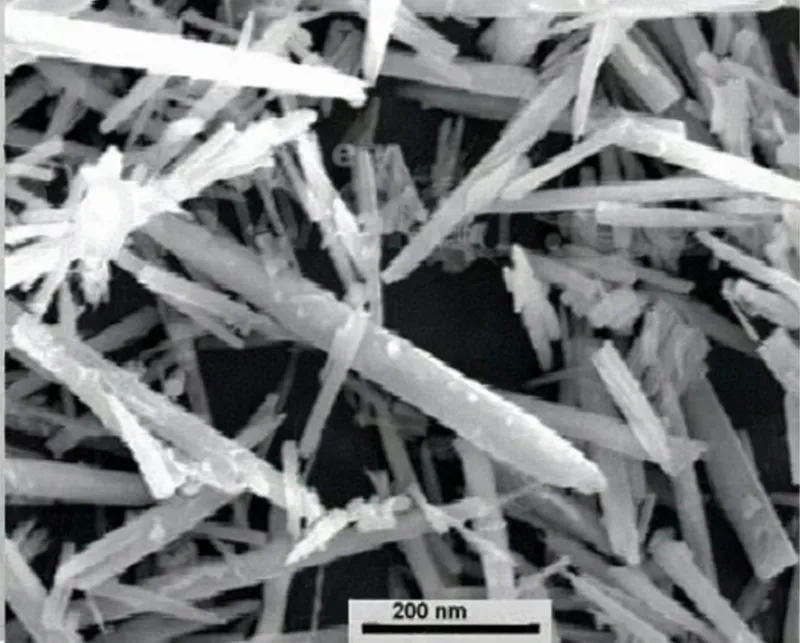
Whiskers are single-crystal materials that grow in a filament-like or needle-like shape. They resemble short fibers, but their dimensions are much smaller. Whisker materials can be classified into organic whiskers and inorganic whiskers. Common inorganic whisker materials include SiC, Si₃N₄, K₂Ti₁₃O₃₀, Al₁₈B₄O₃₃, ZnO, MgO, Al₂O₃, and CaCO₃. The atomic structure inside a whisker is highly

What Are Calcium Carbonate Whiskers? Read More »

three-roller-mill-coating-machine

What You Need to Know About Calcium Carbonate Modification?

Calcium carbonate (CaCO₃) is a widely available mineral used across many industries. Structurally, it exists in three main crystal forms: calcite, aragonite, and vaterite. Each form differs in morphology and stability, with calcite being the most stable and commonly used in industrial applications. Although unmodified calcium carbonate is widely utilized, it has several limitations. Due

What You Need to Know About Calcium Carbonate Modification? Read More »